


A 15-year-old trapped in a gang.
A tween struggling with self-harm.
A five-year-old stealing a classmate’s lunch.
A young person battling depression with nowhere to turn.
A student missing school after an arrest.
An immigrant family with a deep mistrust of police.
A teen shoplifting for their friends.
There is one place all these individuals and families can go for resources and support: the Calgary Police Youth Foundation (CPYF).The goal of the CPYF is simple: to keep children and youth safe from crime and victimization. Reaching it is harder, and it takes the dedication and collaboration of the entire community to achieve.
In 2011, the Calgary Police Service (CPS) and the Calgary Police Commission launched the community-funded CPYF initiative to address the rising incidence of youth crime and gang involvement. This one-of-a-kind charity partners with the CPS but operates independently of it to support early intervention programs for children and youth. Since its inception, the Foundation has become a vital resource for battling food insecurity, addiction, racism, hate crimes and widening inequities, all of which increase risk factors for criminal activity and victimization.
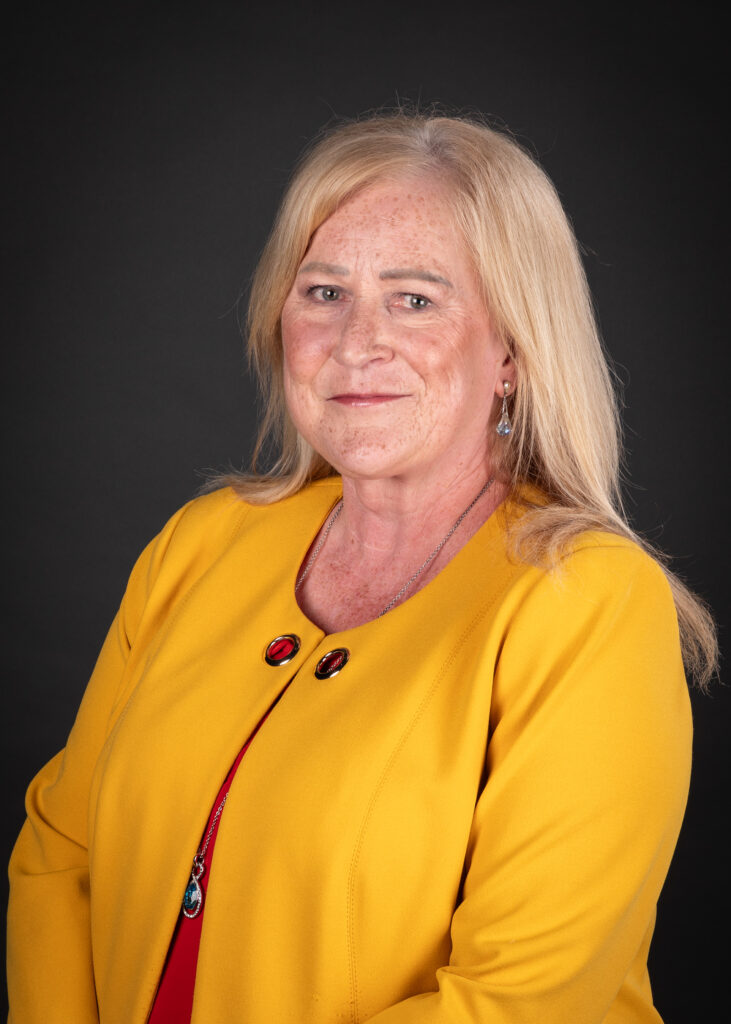
Susan Cron, Executive Director, Calgary Police Youth Foundation
“We have 11 programs in our portfolio right now, and they’re all different in age group, different in purpose and different in reach. But the one commonality in all the programs is that they create a space for children, youth and police officers to be together in a very positive way.”
says Susan Cron, Executive Director of the Calgary Police Youth Foundation. More information about programming is available on their website at yycyouthfoundation.ca.
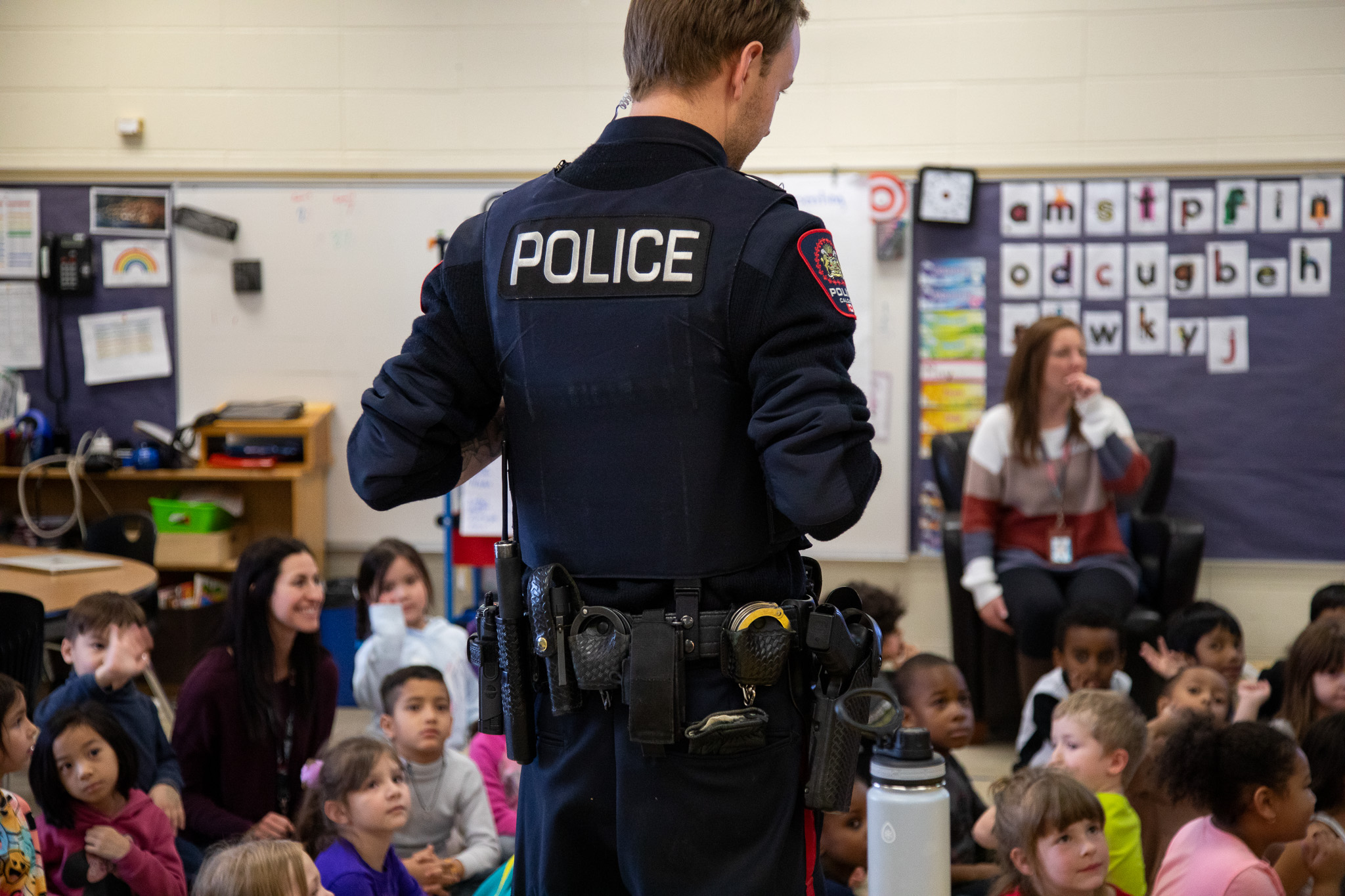
The aim is for children and youth to recognize police officers as trusted adults they can go to for help and support. Through CPYF’s programming, teams of police officers, social workers and mental health professionals work closely with young people and their families to introduce strategies aimed at education, identifying risks and preventing crime before it happens.
The programs operate where children and youth are; the Multi-Agency School Support Program (MASST) is a school-based early intervention program for children aged five to 12 who are exhibiting negative, possibly criminal behaviours or victimization. At the same time, Youth at Risk Development (YARD) is a community-based intervention program for youth between 10 and 17 at risk, affiliated with a gang or involved in organized crime. Others, like Power Play, take place on the pitch or ice and see kids from six to 17 learn to skate and play soccer in weekly sessions coached by community and police volunteers.

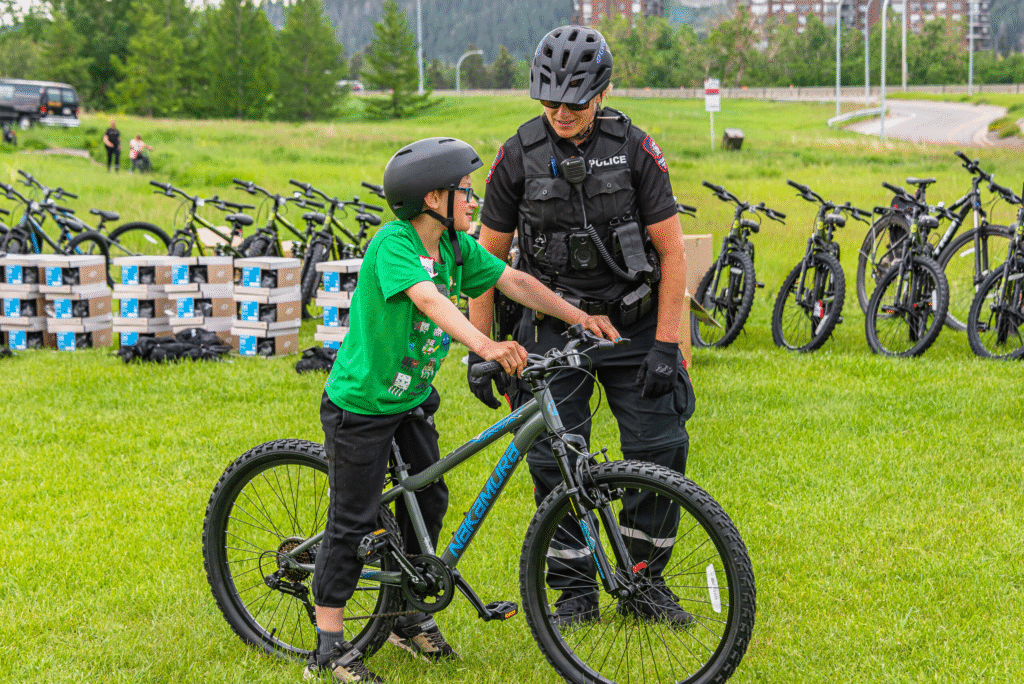
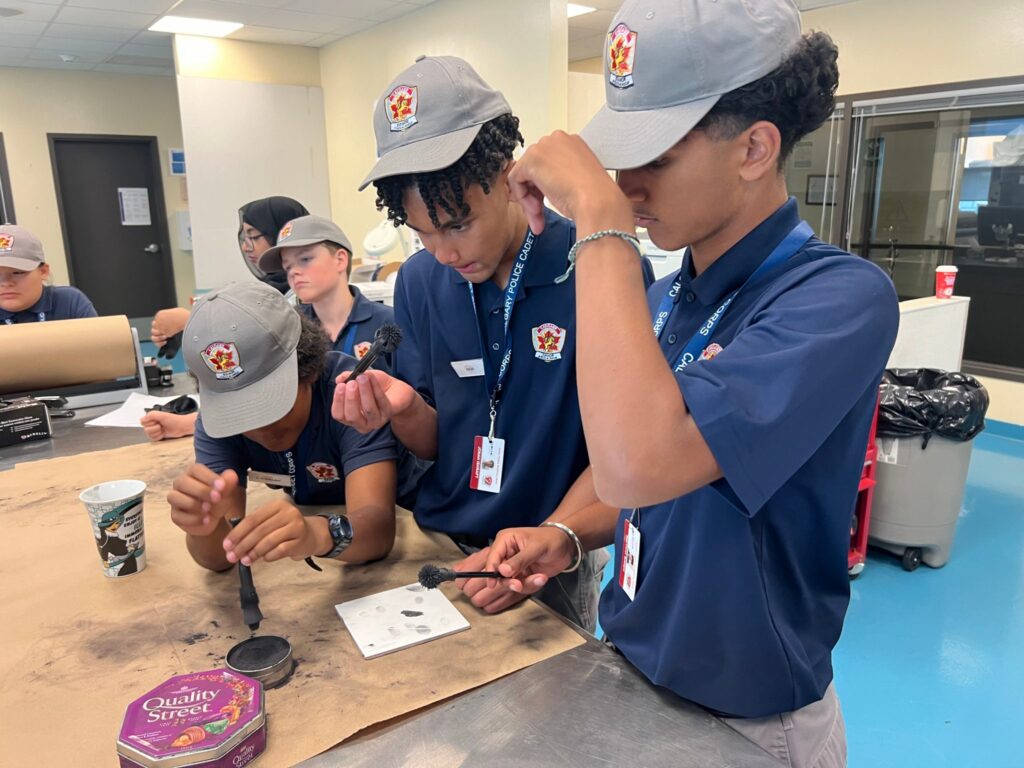
CPYF programs strive to build strong role models through confidence, physical fitness, and leadership, none more than the Calgary Police Cadet Corps. Youth aged 12 to 18 learn about policing, train in first aid, and participate in camps and activities such as horseback riding and outdoor survival skills. The impact of this program is profound, with many Cadet graduates going on to pursue a career in policing.
“Cadets is a five-year program, and there is no cost to the families. They come into the program as a 12-year-old, shy with low self-esteem, but when they leave, they could run the country,” says Cron.
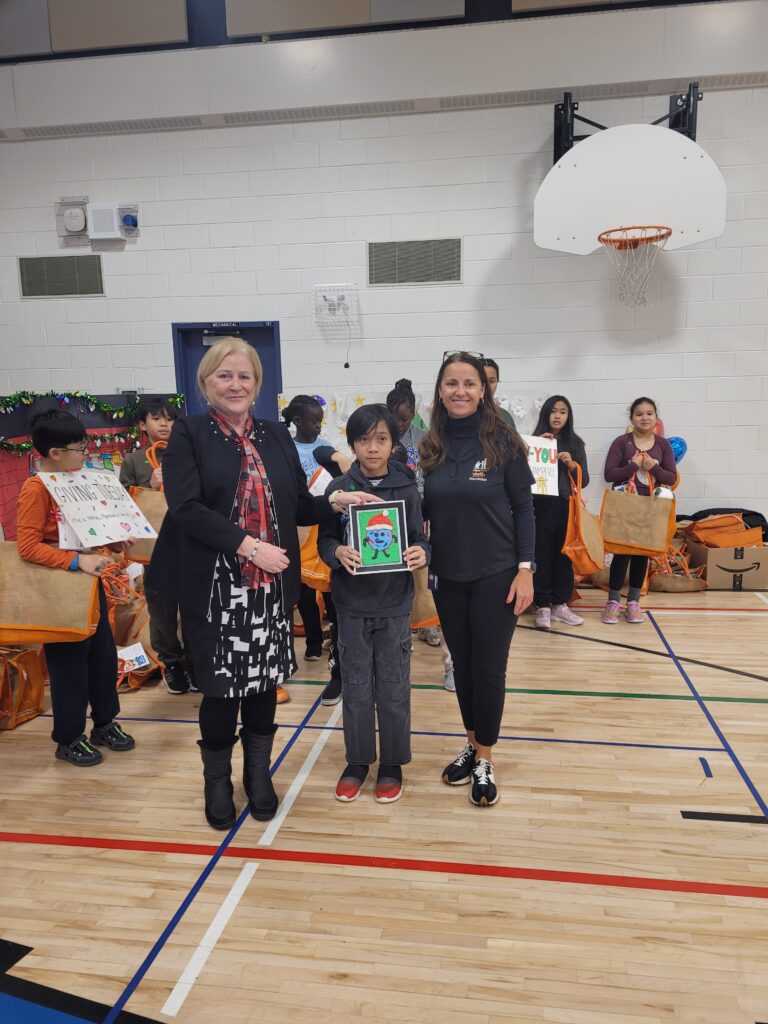
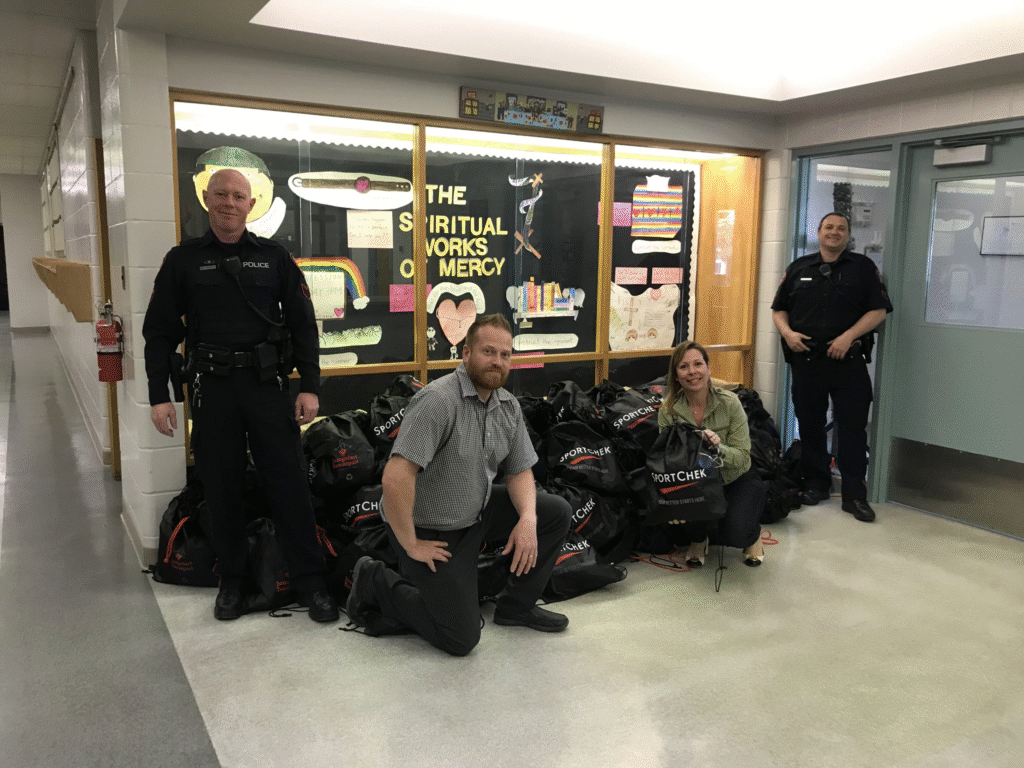
That’s precisely the effect the Foundation hopes to achieve by facilitating access to resources, academic support, and positive role models. These supports are critical for vulnerable populations, and after COVID disrupted those supports, the CPYF started delivering programming directly for the first time with Bridges to Brighter Futures. In 2020, the CPYF team distributed 350 backpacks to Indigenous students, and by 2024, the number had soared to more than 3,000 stuffed backpacks as well as holiday hampers for Indigenous and marginalized students and their families. And because CPYF was managing and delivering direct programming, it was then eligible to raise money for programming through new streams like raffles and 50/50s.
“Our supports are intended to benefit all students, even if they’re not particularly struggling or needing one-on-one support with professionals.”
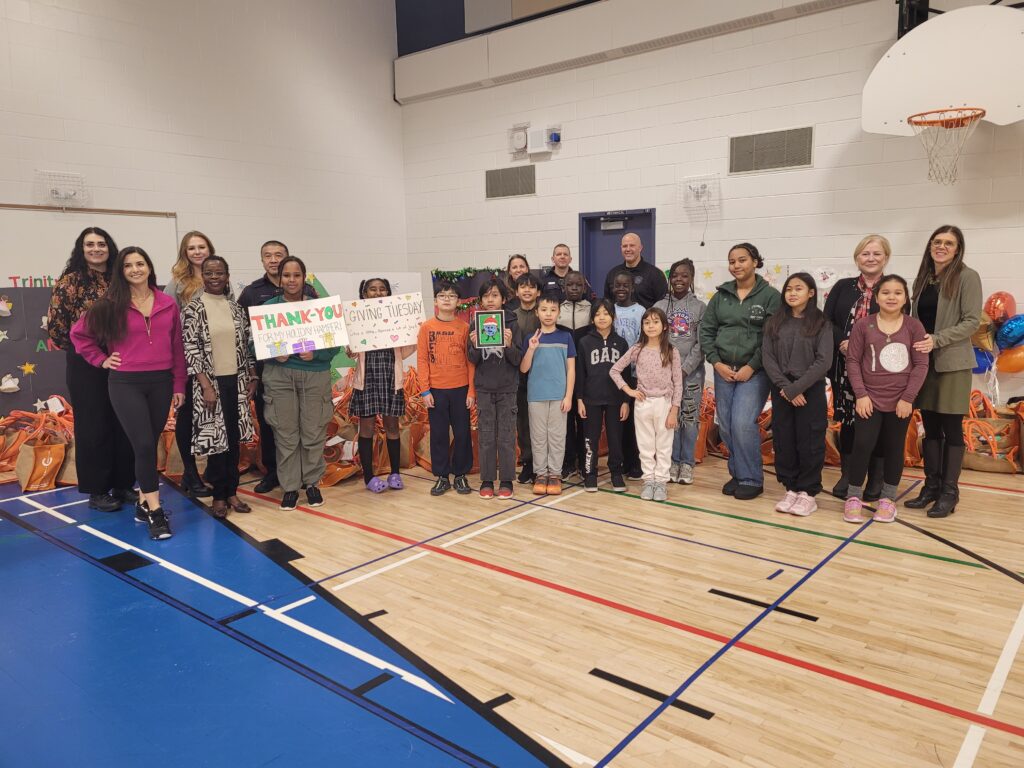
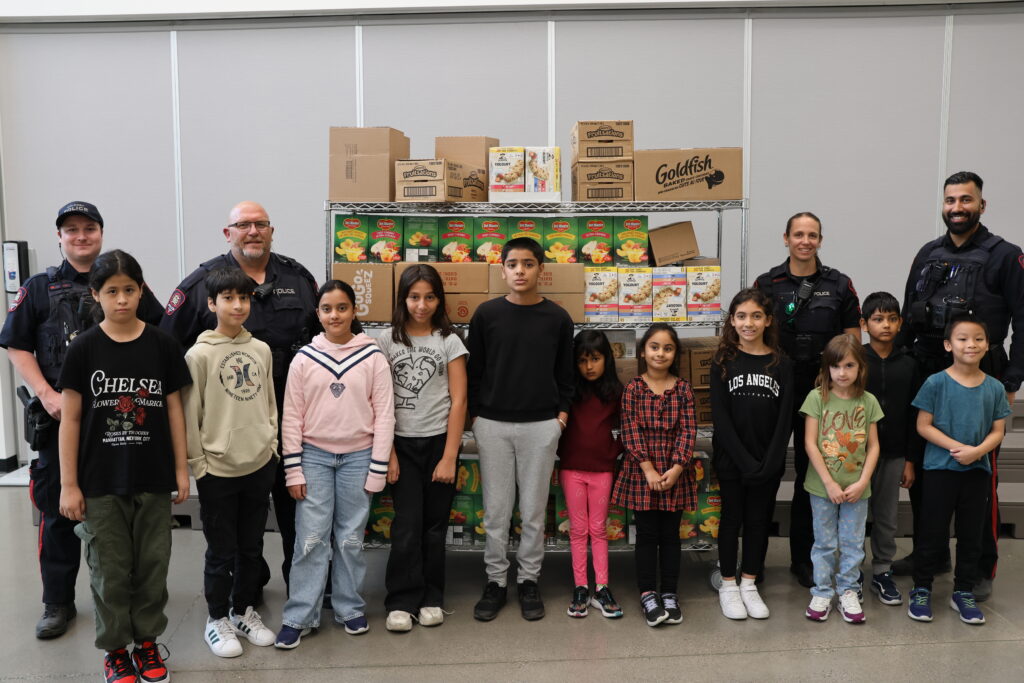
Many recipients of the Bridges program come from another CPYF-supported program, the Integrated School Support Plan (ISSP). Since 2014, this crime prevention and mental wellness initiative has filled the service gaps in underserved schools and communities, providing access to safe and trusted adults and a network of multidisciplinary professionals to help students succeed in school and beyond.
“The ISSP isn’t like MASST or YARD, which is more targeted support where you’re working with a particular student. Our supports are intended to benefit all students, even if they’re not particularly struggling or needing one-on-one support with professionals,” says Gillian
“It’s critical that the mental health professionals in the school are familiar to all students, even if they’re not working with them in a therapeutic or small-group setting. We really want them to be an embedded part of that school community.”
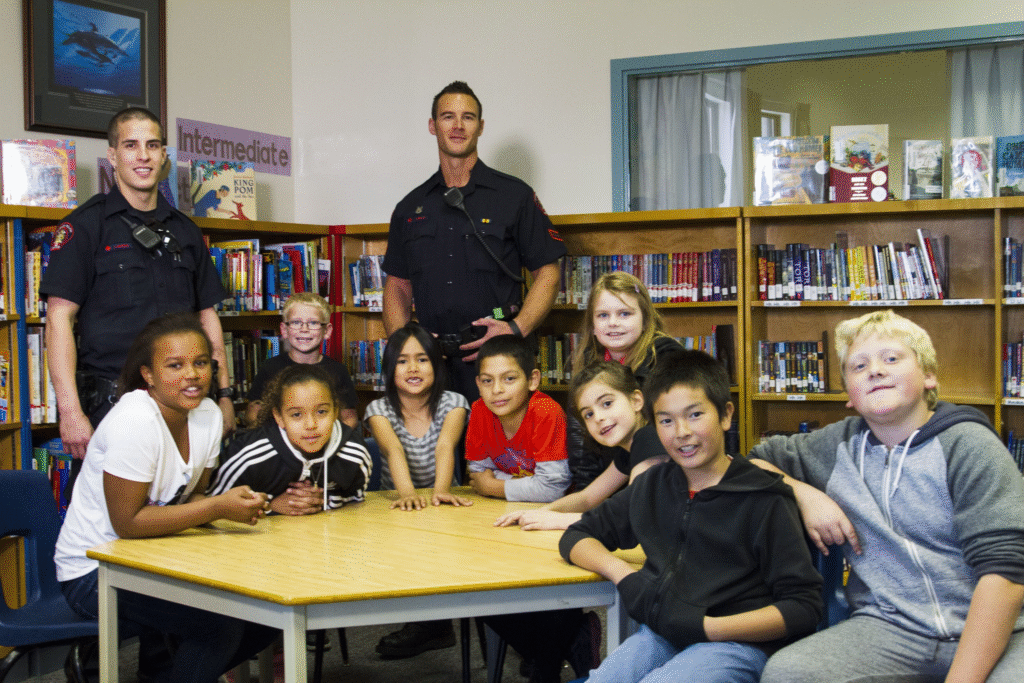
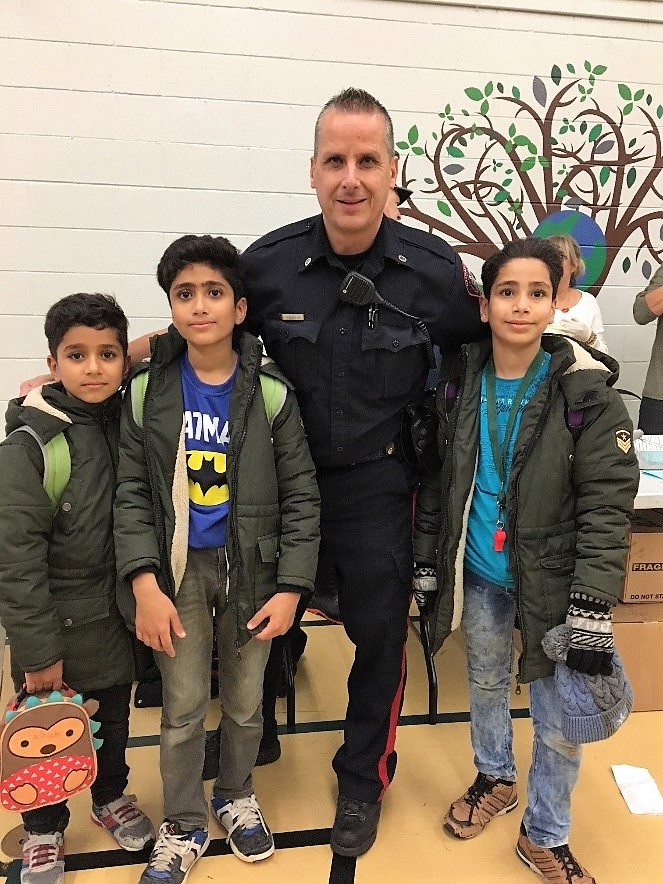
Bowerman, Provincial Program Director, ISSP. “We really wanted to improve the entire school climate and the community around it.” Five key elements in the program work together to mitigate risk factors in communities with statistically higher rates of poverty, crime, marginalization, and mental health issues. The ISSP focuses on:
1. after-school and family support
2. positive police presence
3. evidence-based physical education
4. nutrition
5. mental health programming
With mental health being a critical component of the plan, the ISSP partners with Ministry of Mental Health and Addiction for mental health support in the ISSP. The Province also covers the cost of full-time mental health professionals in schools, providing individual and universal psychosocial support to students. The positive impact on students and communities is clear, and more administrators are incorporating ISSP programming into schools. What started with two Calgary schools has grown to include 29 schools—four in Calgary and an additional 25 schools in 22 communities across Alberta.
Implementing ISSP improves academic performance for students and schools, boosts physical and mental well-being, encourages pro-social behaviour among students and the community, and profoundly changes the trajectory of children’s lives. The team actively supports students with consistent wraparound services, building a solid foundation for safer communities.