


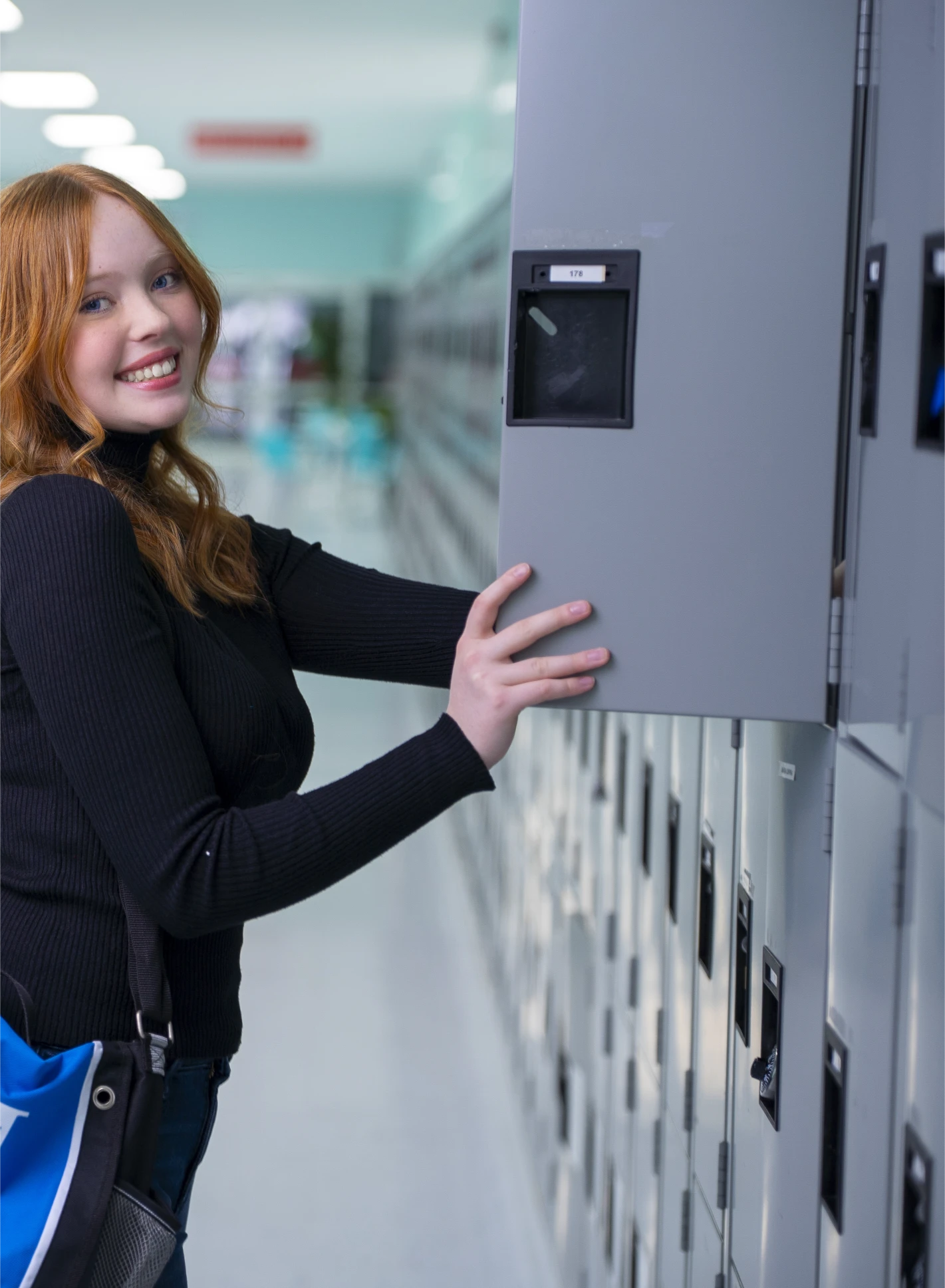
For many people, their introduction to post secondary education involves a professor instructing them to look to their right and left because one of those students won’t make it to graduation. That culture of weeding students out never sat right with Marija Pavkovic-Tovissi, CEO and President of MaKami College. She watched her immigrant parents face the challenges of building new lives in Canada through hard work and education and wanted to empower others to do the same.
“I saw too many capable, compassionate people being left behind by systems that valued grades over growth and pressure over purpose,” says Marija. She and her mother, Luba, reimagined the post-secondary model with the creation of MaKami College in 2001.
“Education has become very transactional in nature instead of transformational, which in my mind is what it’s supposed to be. When we founded MaKami College, it was really to create a place where learning was focused on humans first, where you see the students for who they are, what their needs are and to support them in meaningful ways so they can have careers without sacrificing their families or well-being in the 39 process.”
“I saw too many capable, compassionate people being left behind by systems that valued grades over growth and pressure over purpose.”
The Evolution of MaKami College
It started with one classroom of eight massage therapy students and grew into the largest massage therapy school in Alberta, with a Calgary location joining the flagship Edmonton campus in 2013. The institution later expanded to include diverse offering including Applied Politics & Public Affairs, Early Childhood Education and Business Administrative Assistant programs.
Last year, MaKami completed its transition from a Private Vocational College into a nonprofit, publicly funded Independent Academic Institution. It now serves 2,300 full-time equivalent students and continues to grow. Marija and her team devote themselves to meeting students where they are, offering personalized support that helps every learner thrive academically and personally.
From the start, the Pavkovic family knew they wanted to do things differently to facilitate their students’ success. A core tenet of the college is its extensive “wraparound student services” that address financial issues, academics, English language proficiency and mental health. These services are all covered by tuition fees.
With this full range of services in their toolkit, Marija’s resourceful team helps students: f ind housing and transportation, access childcare resources and connect with social services for disability other support needs.

MaKami sets students up for success through group and individual tutoring, learning strategies for academics and on-site counsellors and registered psychologists for emotional wellness.
“I don’t think you can truly educate a person without acknowledging mental health and other barriers and challenges that individuals might have,” Marija emphasizes. “Skills don’t exist in isolation from emotion, stress and life circumstances and pretending otherwise, is very irresponsible. I believe there is some onus on post-secondaries to help support individuals and meet them where they are, rather than expecting them to just manage this all on their own.”
Integrated Wellness Supports
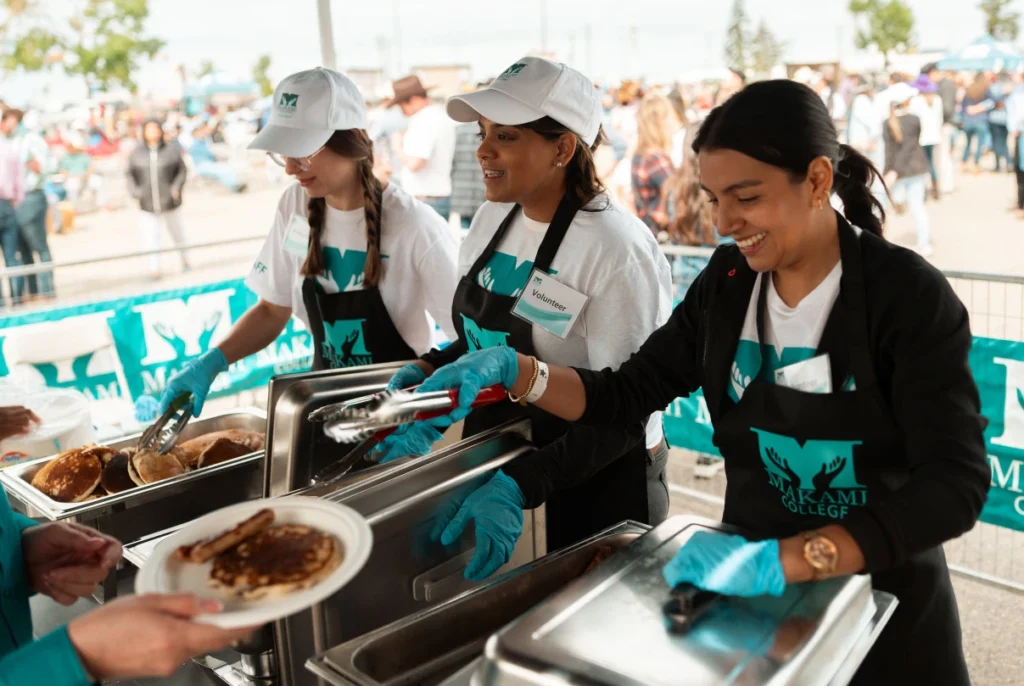
Marija weaves the responsibility to support mental health into the college’s DNA from the start. As MaKami grew, she invested in a team of on-site professionals to help her guide students through their programs. If students fall behind or struggle with course content, academic advisors and tutors are available and registered psychologists can help develop learning plans so students can approach their studies in ways that work best for them.
As supports are not one-size-fits-all, MaKami adapts support to each student’s needs. The student body includes recent graduates, mature learners starting new careers, newcomers, and Canadian-born individuals, all facing unique stressors shaped by their backgrounds. Regardless of age and background or experiences, all students face academic demands often without the time, financial stability, skills or emotional bandwidth to manage them effectively.
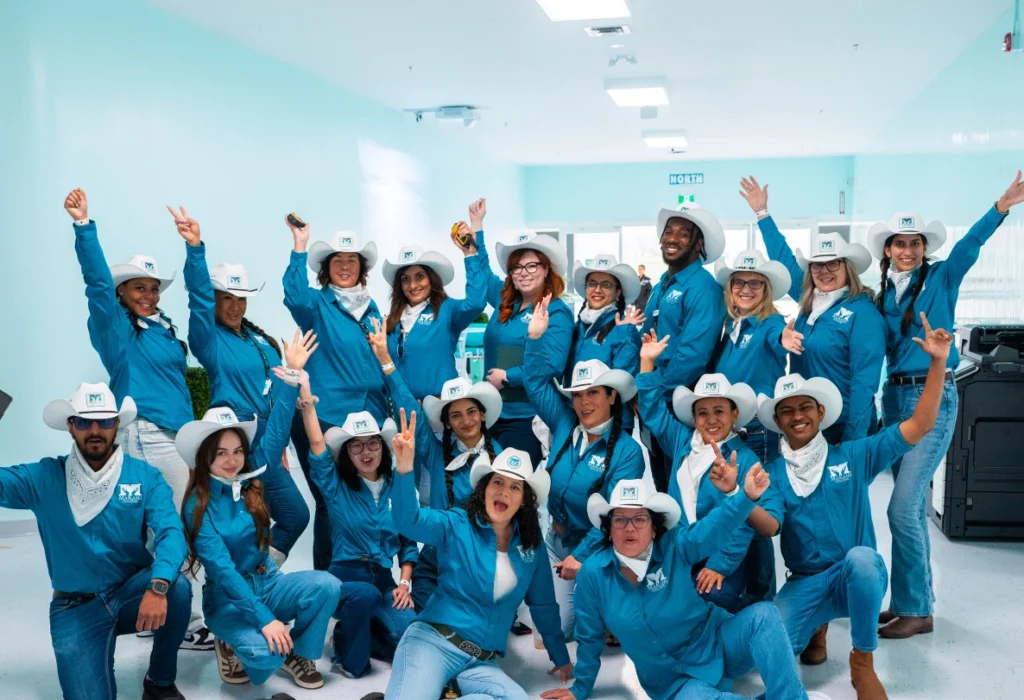
Food insecurity can be a challenge for students too, often facing difficult choices between buying groceries and paying rent. To help bridge this gap, MaKami runs a year-round pantry program that provides basic food items and makes fresh fruit readily available through the annual Healthy Start initiative. Campus potlucks and cultural events bring students together over free meals that foster connection across cultures and languages, all in a welcoming, non judgmental environment.
Many juggle full-time jobs, parenting, relationships and caring for aging parents all while they complete their coursework. The pressure of social media amplifies unrealistic standards, and the constant mental noise and expectation to perform flawlessly in every area of life can take a toll.
Without adequate support, these pressures can contribute to anxiety, depression and burnout. MaKami’s Student Services help students build resilience and access early intervention before these challenges escalate. A team of registered psychologists, occupational therapists, registered counsellors and social workers provide support through mental health counselling, suicide prevention programming and connections to community and government programs for additional support.
“My students are very overwhelmed, and they don’t even know where to start, so having somebody hold their hand through that process can be very helpful,” shares Marija.
The Edmonton campus has an on-site daycare for students with young children, with a Calgary location under development. MaKami also partners with community organizations to help students secure childcare, allowing them to focus on their studies.
Only as Strong as the People
MaKami selects team members not only for their subject matter expertise but also for alignment with the college’s mission.
There is no room for ego, and the long-tenured staff embody MaKami’s spirit of transforming and empowering students through education.
Marija and her team take the time to understand why individual students or groups might be struggling. Often there is a deeper story, whether it’s financial constraints, family issues, past trauma, language barriers or overwhelming work-school-life schedules. These factors can contribute to test anxiety for many students who may understand the material but cannot demonstrate their mastery through traditional testing.
“My own journey and years of experience with my students has taught me that intelligence and potential don’t always thrive under pressure,” she reflects. “Education should challenge students of course, but never at the cost of their mental and emotional health.”
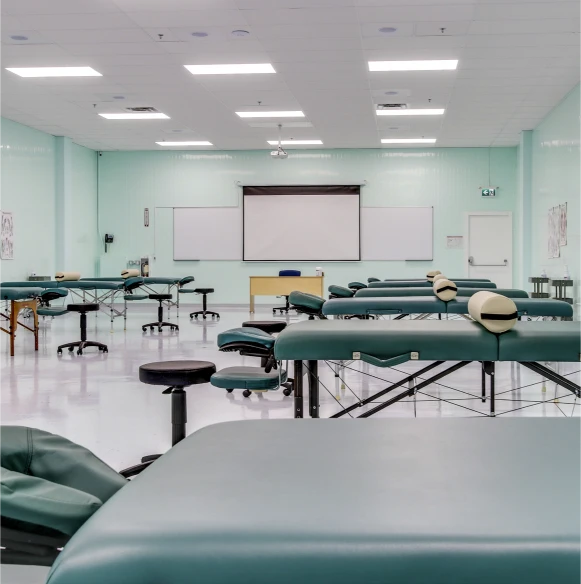
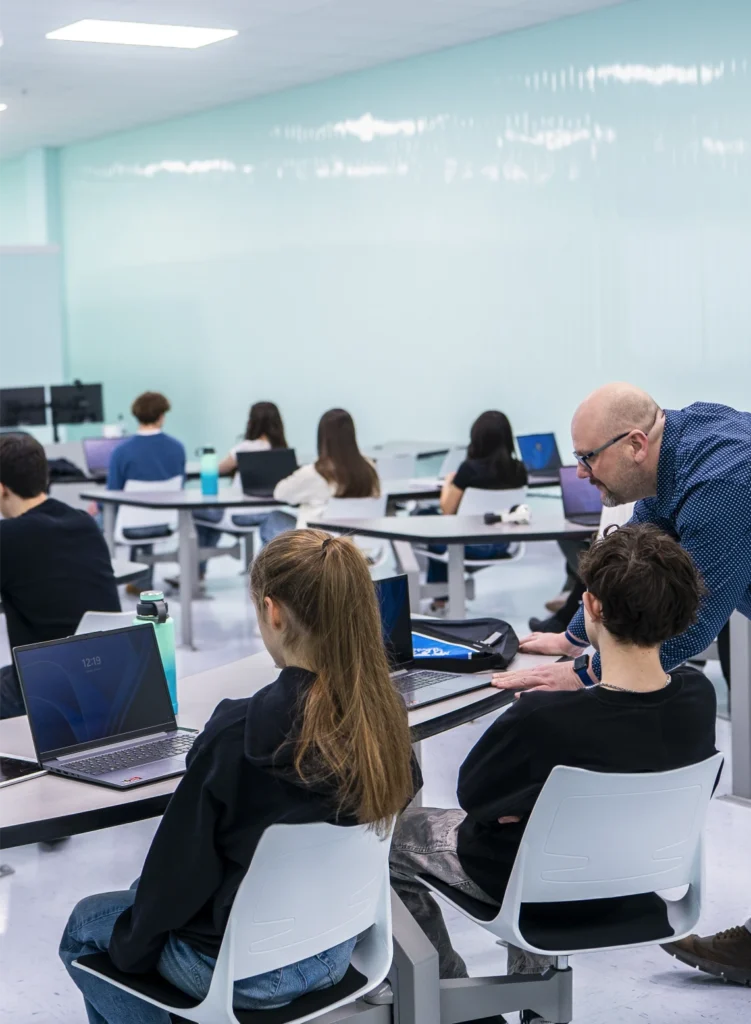
“I don’t think you can truly educate a person without acknowledging mental health and other barriers and challenges that individuals might have.”- Marija Pavkovic-Tovissi
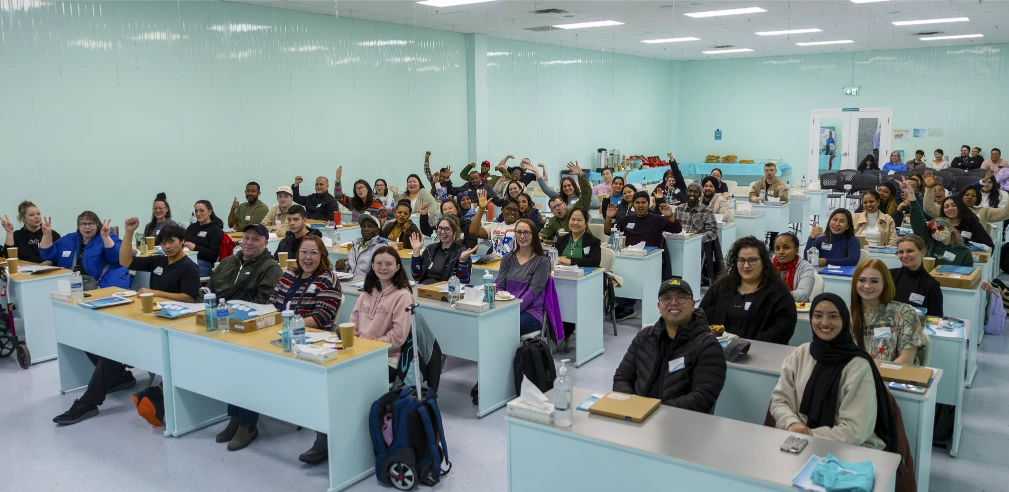
MaKami instructors explore alternative ways to assess understanding and help students feel more comfortable with exams. They may deliver tests verbally, offer retakes, allow students to listen to music or provide separate quiet spaces for writing so their grades reflect mastery of the subject rather than test-taking ability.
To care effectively for students, staff must also be well supported. MaKami provides employees with access to health services to maintain their own well-being. By taking care of themselves, educators are better able to support their students. “You can’t pour from an empty cup, no matter how strong your mission is,” Marija advises.
That mission remains the foundation on which MaKami College was built. Marija was young and naïve when she set out to create a college, and that inexperience became an asset. She wasn’t constrained by conventional thinking and created something far different than just another cookie-cutter post-secondary institution.
Instead, the school made history by transitioning into a nonprofit, publicly funded Independent Academic Institution and continues to build its programs, grow its student body and strengthen its student services to ensure every student has a welcoming, positive post-secondary experience.
“What stood out to me was the openness and willingness to help. They don’t shut you down.”- Edmundo, MaKami College Grad Personal Training Program
“MaKami saw me for who I was and what I needed. They didn’t just teach me skills–they helped me believe I could succeed.”- Milani, MaKami College Grad Advanced Clinical Massage Therapy Program
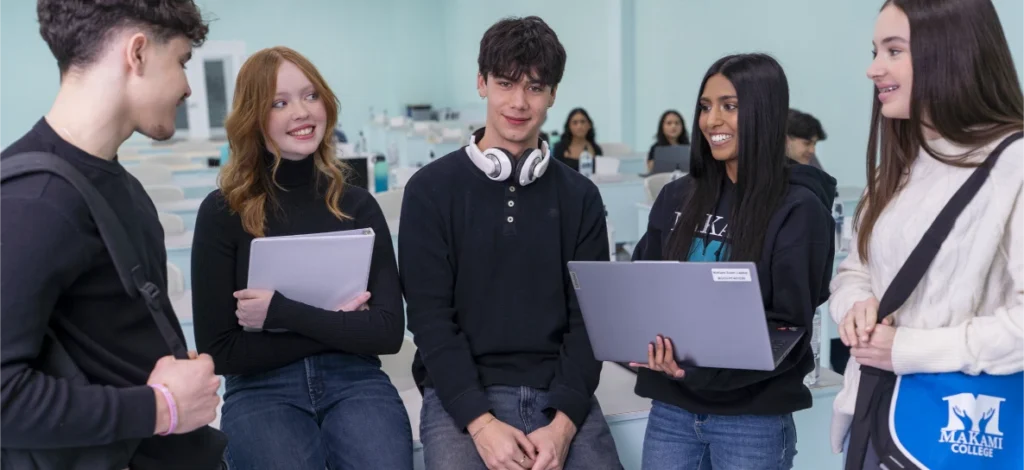
Today, the school’s student-first spirit lives on through MaKami College’s commitment to accessible mental health resources and comprehensive student supports. The goal is simple: help learners not only excel academically but also feel seen, supported and empowered throughout their educational journey.
As post-secondary institutions across Canada grapple with rising student mental health needs, MaKami’s model offers a compelling blueprint for what’s possible when wellness and education work in tandem. By proving that students don’t have to sacrifice their well-being for academic success, the college challenges other institutions to ask themselves: what would education look like if we truly put students first?
EDITORIAL NOTE:
This article discusses mental health challenges and student wellness. If you or someone you know needs support, resources are available. Contact the Canadian Suicide Prevention Service at 1-833-456-4566 (24/7), Kids Help Phone at 1-800-668-6868 or talk to a healthcare professional.
CULTURAL SAFETY
MATTERSWhen MaKami recognized that some Indigenous students felt reluctant to access on-campus services because of their communities’ often negative experiences with social workers, psychologists and the school system, the college took action. MaKami strengthened its already diverse team by adding Indigenous representation to its board. Having leadership with this lived experience has been key to helping students feel safe and supported when accessing services.
This approach reflects MaKami’s broader commitment to cultural responsiveness. Students from diverse cultural groups may have distinct learning styles or unique past experiences with education and mental health services. To meet these needs, MaKami recruits staff from diverse backgrounds who can provide culturally appropriate support.