


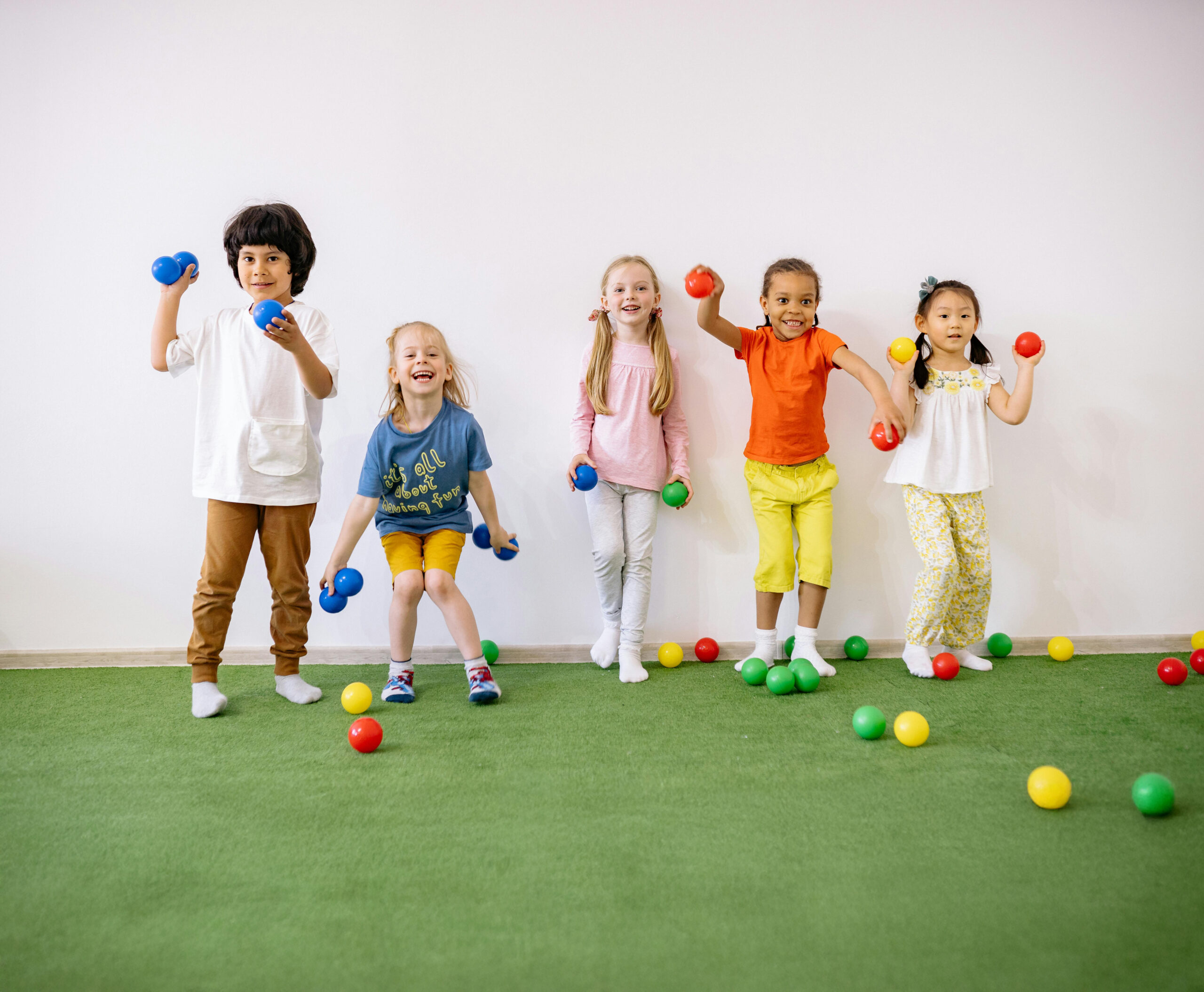
For most children, learning to get along with others is just part of everyday life. Whether it’s making a friend at recess, joining a group at school, or playing a game at the park. But for some kids, these social interactions can feel confusing, overwhelming, or even frightening.
If your child seems scared of people, refuses to participate in group activities, or struggles to make friends, it may be more than just shyness.
Social skills do not come naturally to everyone, and that’s okay. With support, children can develop the confidence and communication tools they need to build genuine, lasting relationships.
That’s where counselling can help.
When social struggles show up early
Children who struggle with social interactions often feel “different,” without knowing why. They may have difficulty picking up on social cues, such as tone of voice or body language or struggle to understand how to start or keep a conversation going.
You might see things like:
Difficulty making or keeping friends.
Avoiding eye contact.
Not respecting personal space or boundaries.
Fear of group activities or new social situations.
Meltdowns or shutting down after social interactions.
Trouble entering games or conversations.
These challenges not only affect a child’s social life, but they can also affect academic performance, self-esteem, and emotional well-being.
Why social skills matter
Practical social skills help children do more than make friends. They build confidence, encourage teamwork, and lay the ground for positive relationships in their lives. When kids feel at ease in their interactions with others, they’re more likely to take chances, try new things, share their thoughts clearly, and handle conflicts better.
But when those skills are underdeveloped, children may begin to withdraw. They might opt out of school activities, play alone during recess, or act out in frustration. Over time, this may lead to loneliness, anxiety, and even depression.
How counselling helps
Social skills counselling provides children a safe and supportive space to explore their feelings and develop practical tools for making connections. Through play, conversation, and sometimes group sessions with other children, counsellors can help children:
- Practice starting and maintaining conversations
- Learn to read body language and facial cues
- Build emotional awareness and empathy
- Navigate conflicts and miscommunication
- Feel confident in social settings
Counselling is especially beneficial for kids with autism, ADHD, anxiety disorders, or those who’ve experienced trauma, all of which can affect a child’s ability to connect socially.
What parents can do
If your child resists playdates, refuses school, or feels anxious about group activities, start with a gentle, open-ended conversation. Ask how they feel in social settings. Do they worry about saying the wrong thing? Are they nervous around others? Their answers may offer insight into what’s going on beneath the surface.
It’s also essential to make seeking help a regular part of life. Let your child know that everyone needs support sometimes, and that learning social skills is no different than learning math or riding a bike. It takes practice, patience, and encouragement.
Connection is not a personality trait; it’s a skill.
Some kids are naturally outgoing. Others are more reserved. But regardless of temperament, all children deserve the chance to feel comfortable, confident, and connected.
If your child is struggling socially, you don’t have to wait for them to “grow out of it.” Counselling can provide early intervention and long-term benefits, helping children develop the kinds of relationships that lead to happier, healthier lives.
Friendship isn’t just something we stumble into; it’s something we can learn.
Adapted by Jelena Dumka from content originally published on How Counselling Can Help Develop Your Social Skills – The Family Psychology Place