



An interview with PETER STOCK
Alberta has seen remarkable growth in homeschooling, with approximately 24,000 students now learning at home as of the 2024 25 school year. As families increasingly explore alternatives to traditional schooling, questions arise about how this educational approach affects children’s mental health and overall wellness.
Family Psychology spoke with Peter Stock, founder of the Home School Legal Defense Association (HSLDA) Canada, about the organization’s work supporting homeschooling families and his perspective on this educational option.
What prompted HSLDA’s founding 35 years ago, and how has its role evolved?
HSLDA was founded by a group of homeschooling families facing legal challenges with provincial governments. Since then, we’ve advocated across every province with lawyers and lobbyists. Today, homeschooling is legal everywhere in Canada. Quebec was the last province to regularize it in 2017. Now we provide comprehensive support to member families: legal representation, curriculum consultants, exceptional needs consultants and various resources to help families succeed.
Alberta now has about 24,000 homeschooled students. What trends are you seeing?
The demographics have shifted dramatically. Thirty or forty years ago, many homeschoolers f it a certain religious stereotype. Today, we see a full spectrum of families with diverse motivations. Some want to pass on their values, others seek academic excellence, many are meeting exceptional learning needs and some need flexibility for children pursuing talents like gymnastics or hockey.
What concerns bring parents to HSLDA, and what questions do they have about whether homeschooling will work for their child?
Once families have decided to homeschool, most questions revolve around approaches to teaching and curriculum choices. Parents want to know what teaching method to take—classical or another approach—and which curriculum to use. There’s such a vast amount of excellent curriculum available that families can feel overwhelmed by the choices. That’s where our curriculum consultant comes in, guiding families through options based on each child’s individual learning style.
Why does homeschooling appear particularly beneficial for children with exceptional needs?
When parents receive a diagnosis, they invest time researching how to best serve that child’s specific learning needs. At home, you can cater to the child directly. If they’re struggling with a concept, we continue working on it before moving on. Parents access professionals like speech therapists or psychologists when needed, and HSLDA’s exceptional needs consultant helps families navigate resources, assessments and specialized curriculum. It’s individualized attention that benefits these children tremendously.
The socialization question always comes up. How do homeschooling families approach social emotional development?
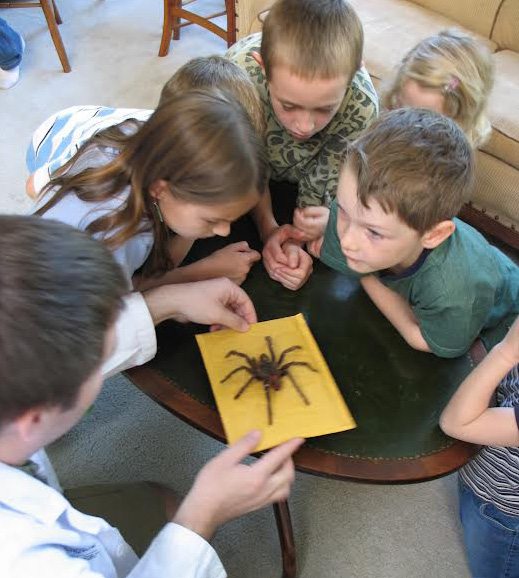
We have had a very positive response and find that homeschooled students are generally better socialized than those in institutional settings. Traditional schools put children of the same age together where they’re primarily socialized by equally immature peers. Homeschooling, which really should be called parent-directed education, happens in many places. These kids are out in the community regularly for sports, music lessons, f ield trips and activities with other homeschoolers. They’re being socialized by people of different ages, which leads to greater maturity.
Understanding the significant commitment, what realistic challenges should families consider?
This is a lifestyle choice. Typically, one parent must give up full-time employment, so families live on one, or one-and-a-half incomes. That means different financial expectations. Some parents worry about teaching high school subjects they struggled with themselves. The solution is often reaching outside the immediate family: using online courses, calling on relatives with expertise or connecting with tutors. Many provincial governments offer free online courses and there are excellent private options too.
What support systems should families have in place before beginning?
The most important thing is to join a local support group or co-op. These groups meet weekly and provide social outlets for students and mutual reinforcement for parents. They’re invaluable for encouragement, sharing what works and avoiding mistakes. Families involved with support groups are less likely to have challenges because they’re getting that community support. My personal experience and that of hundreds of families I know is that we genuinely enjoy home education. Yes, it’s a lot of work, but we’ve enjoyed the journey and the time with our kids. It’s about relationship. It’s about family.
Making an Informed Choice
Homeschooling represents one educational option among many available to families in Alberta.
Families exploring this option are encouraged to connect with local support networks, consult with their child’s healthcare providers and thoroughly research provincial requirements before making this significant decision.
Photos published with permission from Peter Stock.