


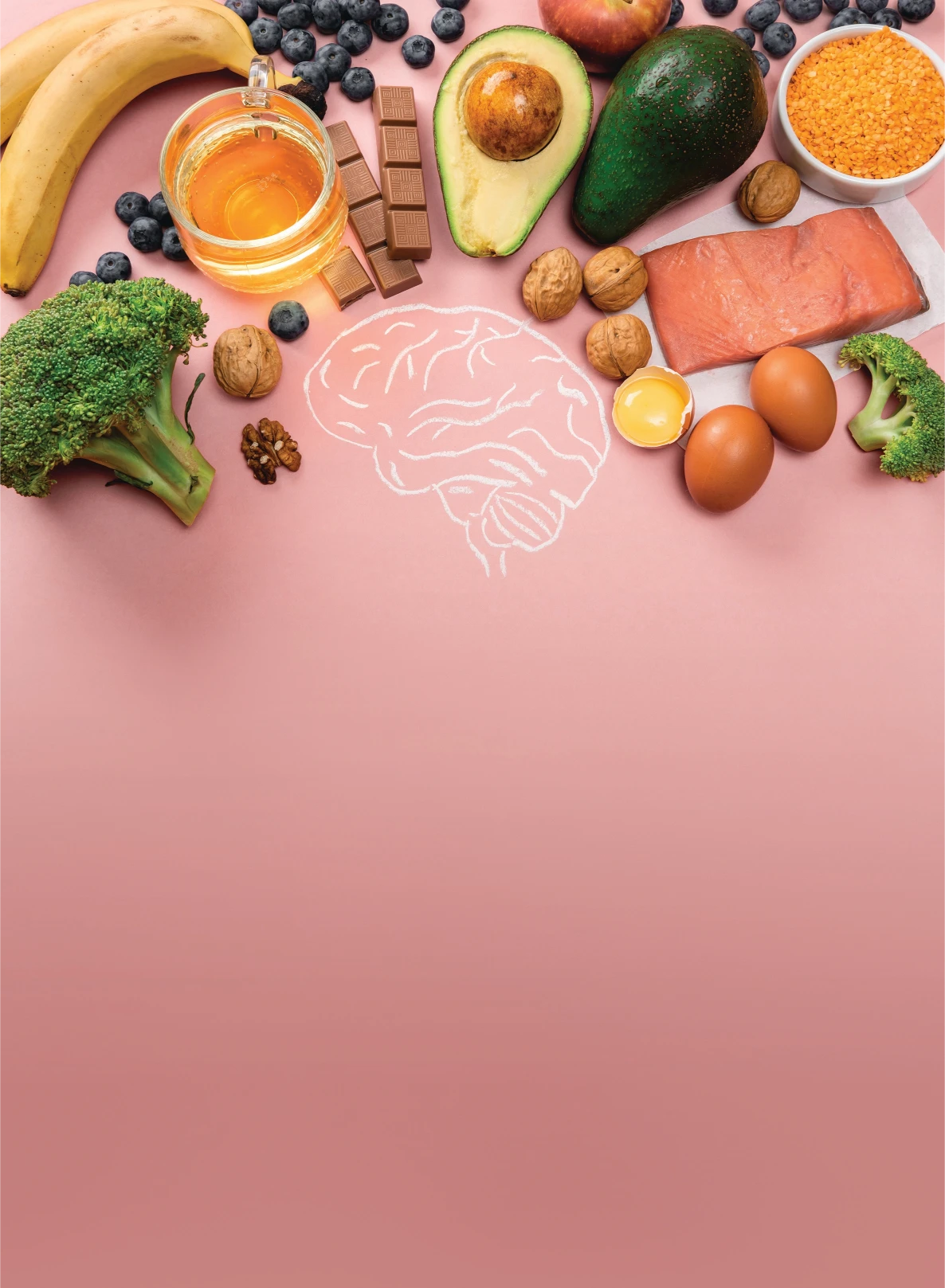
Chances are, you know someone living with Attention Deficit Hyperactivity Disorder (ADHD). This may be a child, teenager, or adult. In my nutrition practice, one of the most common questions I hear is: Is there a specific diet for ADHD?
The short answer is no. Food does not cause ADHD and diet alone does not cure it. But what we eat can influence how ADHD symptoms show up in real life, including attention, mood, energy and emotional regulation.
What is ADHD?
ADHD is a neurodevelopmental condition that affects about 5–9% of children and adolescents, and 3–5% of adults, or roughly 1.5 million Canadians. It is highly hereditary, meaning genetics play a major role.
ADHD shows up differently in different people. Some struggle with inattention, others with hyperactivity or impulsivity and many experience a combination. It can also involve challenges with executive functioning, emotional regulation and periods of intense hyperfocus. Symptoms range from mild to significantly disruptive and often change across the lifespan.
How food affects ADHD symptoms
Research shows that nutrition can reduce the severity of symptoms for some people, whether they use medication or behavioural strategies.
People respond differently to nutrition changes, which is why one-size-fits-all advice rarely works. The most helpful approach is focusing on balanced, evidence-based nutrition rather than quick fixes or extreme dietary rules.
Make protein a priority
One of the most impactful and practical changes we recommend is including protein at every major meal. Protein helps stabilize blood sugar, which plays a big role in focus, mood and energy.
When meals lack protein and are mostly carbohydrates—like pasta, rice, bread, fruit and sweets—blood sugar can spike and crash. This is when we see more irritability, difficulty concentrating and impulsive eating.
A balanced meal does not need to be complicated. At each meal, aim for:
• A grain or starch (preferably whole or less processed)
• Fruits and/or vegetables
• A protein source such as meat, fish, eggs, dairy, legumes, tofu, nuts, or seeds
The truth about sugar
Despite popular myths, sugar does not cause ADHD or hyperactivity. However, sugary foods and ultra-processed carbohydrates eaten on their own can lead to blood sugar swings that make attention and emotional regulation harder to manage.
So where do sweets and desserts fit? All foods can fit into a healthy diet—you don’t need to eliminate desserts or cut out enjoyable, less nutritious foods in your diet. But timing matters. Consider planning sweets and refined carbs for later in the day or for weekends, when your focus-heavy tasks are already complete.
Omega-3 fats and brain health
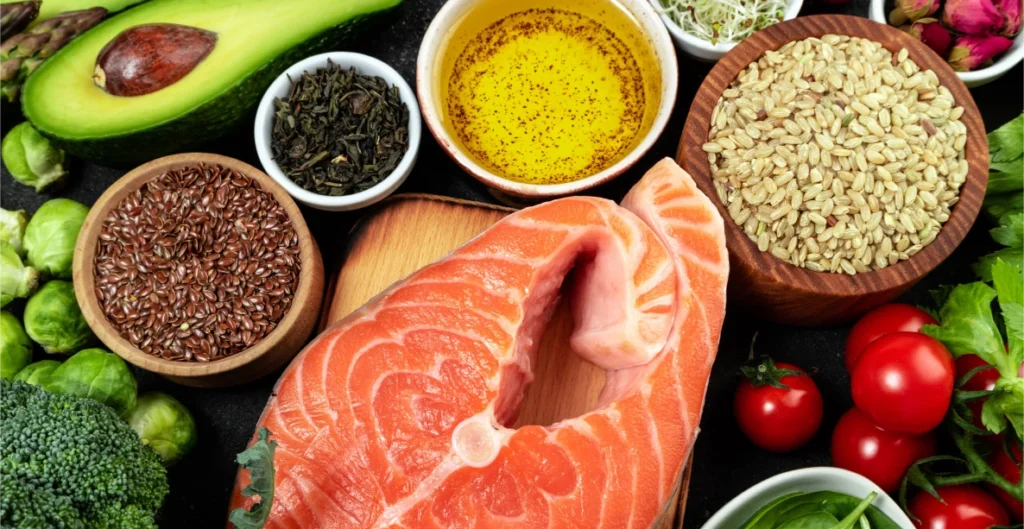
There is good evidence that omega-3 fatty acids, particularly EPA and DHA from fish or f ish oil, can modestly improve attention and behaviour in ADHD.
If you enjoy fish, eating it regularly is a great place to start. Plant sources like flax, chia, walnuts, and canola oil provide omega-3s, but your body only converts a small amount into the form it can use.
I recommend discussing supplements with a physician or Registered Dietitian to determine what is appropriate.
Vitamins and minerals for brain function
Several nutrients play key roles in brain function. Research suggests some children with ADHD may have low levels of iron, zinc, magnesium, or vitamin D. Iron deficiency can mimic ADHD symptoms like poor concentration and fatigue.
Iron levels should be checked before supplementing, as too much can be harmful. An age-appropriate multivitamin can help support overall nutritional adequacy.
Understanding food additives
Research on artificial food colours and ADHD is mixed, but some individuals do seem more sensitive. Since many foods containing artificial colours and preservatives are highly processed, reducing them often benefits overall health.
Some people may be more sensitive to certain additives like artificial sweeteners, sodium benzoate, or MSG. Since responses vary, broad restrictions aren’t necessary unless you notice a pattern of symptoms after consuming specific additives. If you suspect sensitivity, try eliminating one additive at a time to see if symptoms improve, rather than cutting out multiple foods at once.
What about elimination diets?
While elimination diets are popular, these diets have shown very mixed results in research. In our practice, we caution against overly restrictive approaches or relying on food sensitivity testing, which is not evidence-based.
If someone wants to explore dietary elimination, we strongly recommend doing so with a Registered Dietitian to ensure nutrition remains balanced and sustainable.
ADHD, eating disorders and weight
ADHD is linked to higher risk of eating disorders and binge eating, particularly among females.
Higher body weight can also increase sleep apnea risk, which can mimic or worsen ADHD symptoms. These connections require careful screening.
Managing appetite changes from medication
Many stimulant medications reduce appetite, especially at midday. Skipping lunch can worsen focus and increase evening overeating.
We often recommend eating on a schedule rather than waiting for hunger cues. This helps maintain energy, support growth, and preserve mental function.
Where to start
Diet will not cure ADHD, but it can shape how symptoms show up in classrooms, workplaces and daily life.
A simple place to start is choosing foods your grandparents would recognize as food. From there, individualized support can make a meaningful difference across the lifespan.
Adapted from an online blog post at healthstandnutrition.com