


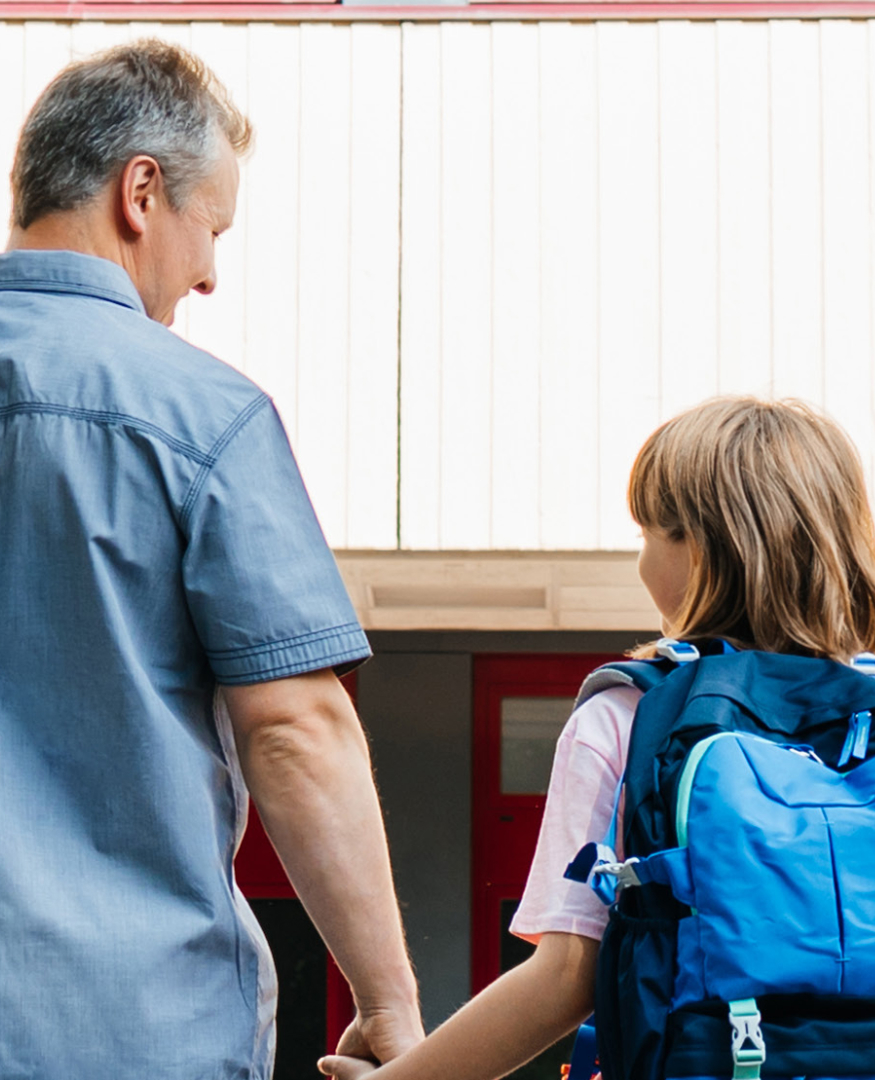
As a psychologist, one of the most painful conversations I have with parents begins with a quiet sentence: “We can’t get them to school anymore.”
It is often followed by guilt, frustration, fear and a deep sense of helplessness. Parents worry they are failing. Children feel misunderstood. Everyone involved is exhausted.
It’s not what you think
School refusal is not about laziness, defiance, or poor parenting. From a psychological perspective, it is best understood as a signal. It is a behavior driven by emotional distress rather than choice. When a child refuses school, they are communicating something important. The school environment feels emotionally unsafe or overwhelming in that moment.
“School refusal is not about laziness, defiance, or poor parenting.”
Psychologists understand school refusal as a functional behavior, meaning it serves a purpose for the child even if that purpose is not immediately obvious. Often, it helps reduce anxiety, avoid emotional pain, or maintain a sense of safety and connection. Understanding the function of school refusal is the first step toward meaningful and lasting change.
Why kids avoid school
Research shows that school refusal is commonly driven by one or more core psychological factors. Some children avoid school because it triggers intense anxiety or physical symptoms such as stomach-aches, headaches, nausea, or panic. Others are attempting to escape socially painful experiences like bullying, peer conflict, or the fear of academic evaluation. Separation anxiety can play a central role. Staying home feels necessary to ensure a parent’s safety or to preserve their own emotional security. In other cases, school refusal is unintentionally reinforced when staying home provides comfort, rest, or access to preferred activities, which creates a strong pull away from school.
Beneath these behaviors are often deeper psychological vulnerabilities. Many children who struggle with school refusal also experience anxiety disorders, depression, or social anxiety. Others have neurodevelopmental differences, such as ADHD or autism, that make the school environment feel overwhelming, unpredictable, or exhausting.
“Many children who struggle with school refusal also experience anxiety disorders, depression, or social anxiety.”
Family stressors, including illness, conflict, or significant life changes, can further disrupt a child’s sense of stability. Over time, children may develop rigid beliefs that school is dangerous or unmanageable, leading to a sense of learned helplessness and the belief that they will fail or suffer no matter what they do.
School refusal is also commonly triggered by transitions or losses. Starting a new school year, changing teachers, moving schools, or experiencing grief or trauma can quietly overwhelm a child’s coping capacity, even when they appear outwardly fine.
Getting there together
What gives me hope—and what I want families to hear—is that school refusal is treatable. With the right support, children can and do return to learning, connection and confidence. Progress does not come from punishment, threats, or forcing attendance at all costs. It comes from curiosity, collaboration and compassion.
Effective support begins by asking what the child is trying to avoid or protect themselves from. When we address underlying anxiety, build coping skills, adjust expectations and restore emotional safety, the need for school refusal gradually decreases. Small, supported steps forward matter far more than sudden or pressured leaps.
“You are not failing. Your child is not broken.”
Most importantly, school refusal does not define a child or a family. It is not a failure. It is a moment that calls for listening, patience and thoughtful response. When children feel understood and supported, they are often far more capable than we realize.
If you are navigating school refusal right now, I want you to hear what I tell parents in my office: You are not failing. Your child is not broken. This is not a permanent state. With patience, appropriate psychological support and compassion for both your child and you, most children return to school and regain their confidence. Hope is not just possible—it’s the most likely outcome.