


You can’t meditate your way out of a psychologically unsafe workplace.
Yet for years, that’s essentially what we’ve been told. Remember when “mental health” at work meant pizza lunches during mental health month and a dusty poster about stress management in the breakroom? We’ve come a long way from those days, but awareness alone won’t fix a toxic work culture or prevent burnout. It’s like handing out umbrellas during a storm—helpful, but not the solution.
We’ve all heard it: “Take care of your mental health.” Good advice. But what does that even mean when the problem isn’t the people but the places we work in?
For years, mental health at work has been about self-care: managing stress, building resilience, downloading yet another mindfulness app. There’s a place for all that. But here’s the truth: individual coping strategies can’t compensate for systematically harmful workplaces.
From Awareness to Action
So what’s the alternative? A new conversation is taking shape—one that’s moving us beyond awareness and into action. It’s called psychological health and safety (PHS), and it’s fundamentally transforming how we think about wellbeing at work. Where “mental health” focuses on the individual—how you’re doing—PHS zooms out to examine the system itself. How the workplace environment either supports or sabotages people’s mental wellbeing.
Think of it this way: Mental health is the plant, and PHS is the soil. Right now, we’re over-fertilizing the plant while ignoring the contaminated soil. You can’t expect your team to thrive if the environment they’re planted in is toxic, unpredictable, or constantly under threat.
The good news? PHS isn’t abstract or out of reach. It’s measurable, actionable, and entirely possible. It’s about ensuring that psychological hazards—bullying, excessive workloads, lack of recognition—are treated with the same seriousness as physical ones. You wouldn’t let someone climb scaffolding without a harness, so why let someone lead a high-pressure project without adequate support?
Here’s where we start
Start with curiosity, not compliance. Ask people what helps them feel safe, respected, and supported. Assess the environment, not just the individual. Instead of “What’s wrong with this employee?” ask “What’s happening in this workplace that’s affecting them?” Build prevention into everyday practice through clear expectations, fair workload distribution, and consistent recognition. Model imperfection—leaders who are open about learning or struggling give permission for others to do the same. And cultivate trust where people feel they can bring ideas, seek support, and yes, even share failures.

The shift from “mental health” to “psychological health and safety” isn’t just semantics. It’s a call to evolve—from individual resilience to shared responsibility, from one-day campaigns to everyday culture. Because in the end, a truly healthy workplace isn’t one where people are taught to cope better. It’s one where they don’t need to.
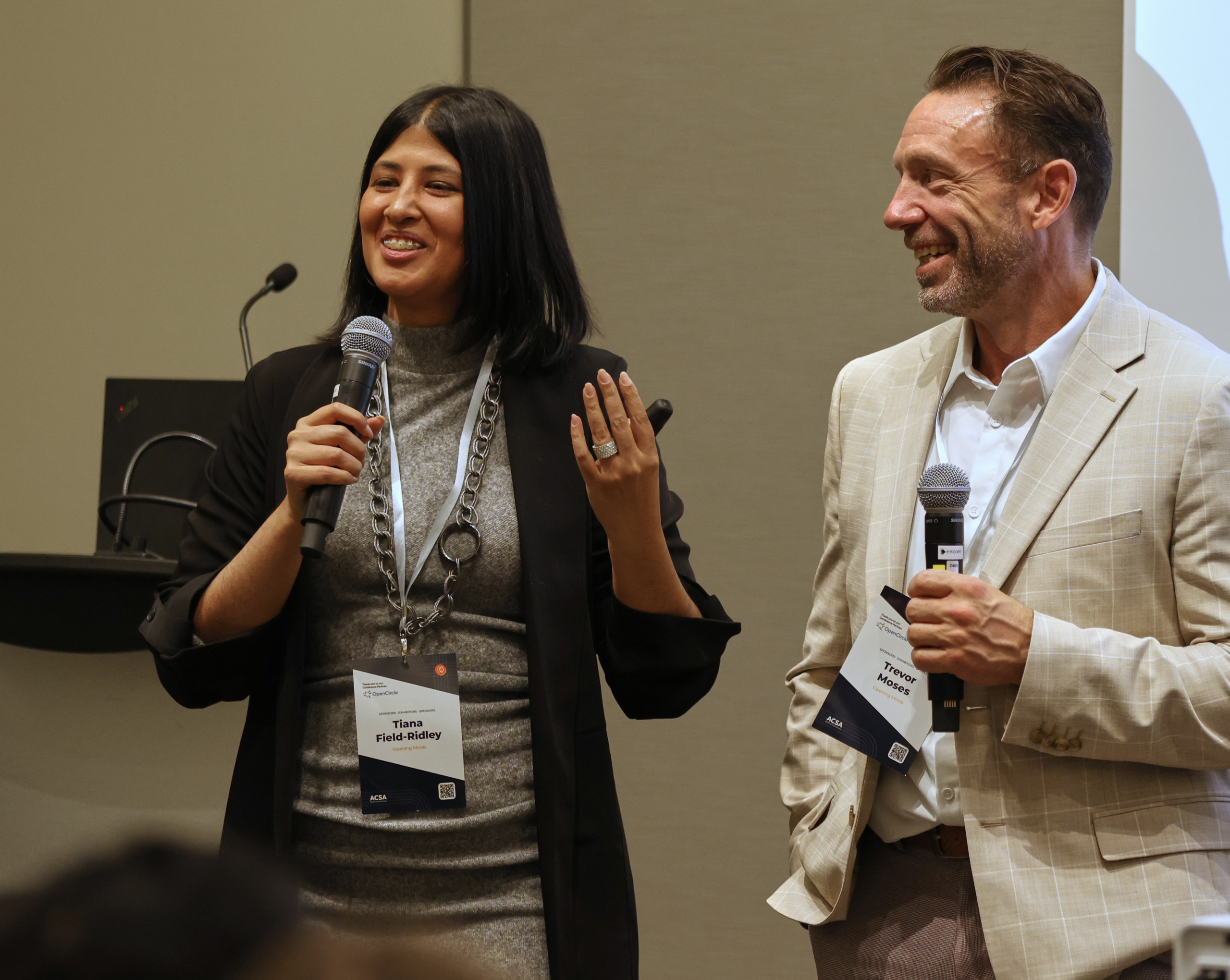
Tiana Field-Ridley is the Sr. Manager for Portfolio and Innovation with Opening Minds, a division of the Mental Health Commission of Canada. She also leads the psychological health and safety program and has a Master’s in Education in Transdisciplinary Leadership.