

Being a parent is one of the hardest jobs in the world. Parenting with eating disorders, anxiety, depression and body image struggles is even tougher. Combined with the pressure of getting it right, the job can sometimes feel impossible!
Are you doing enough? Are they in the right school and doing the right activities? Do they know right from wrong? Are they safe? Did I feed them well enough? Are their friends good influences on them?
Being a kid is hard too! And whether parents know it or not, children feel a lot of the same pressures we do. Here are a few pointers to make things easier for everyone involved:

How to Encourage a Healthy Body Image in Children
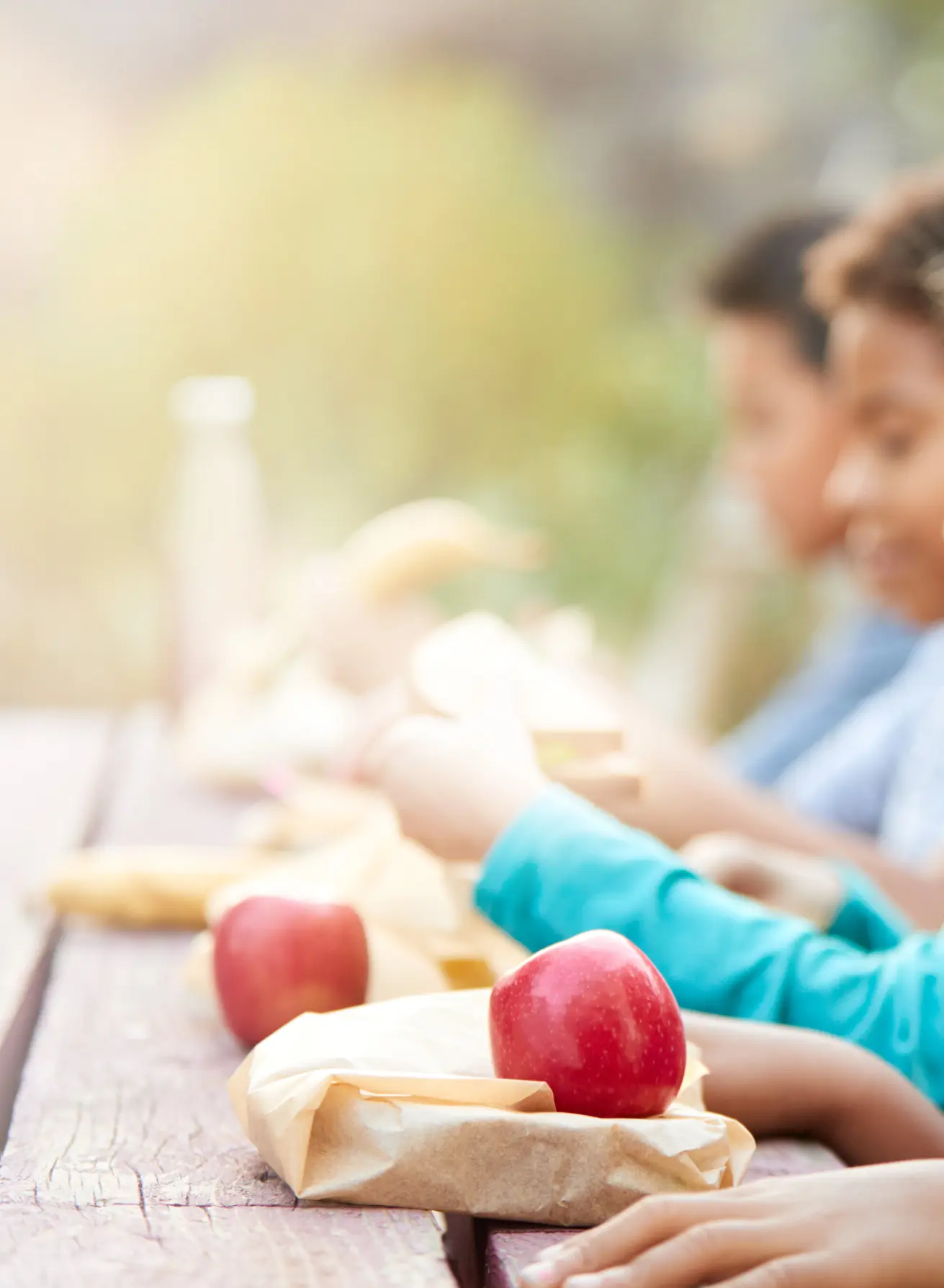
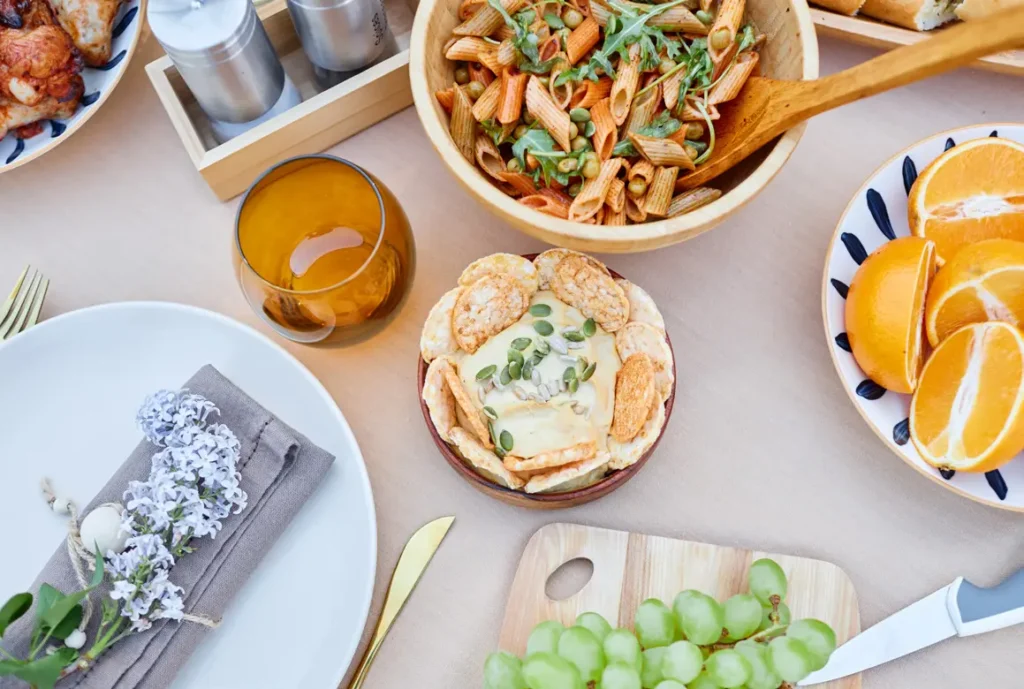
DO: Eat a variety of foods and offer a wide variety of foods in your home.
DO: Talk about beauty in all sizes and shapes of people. Focus on what bodies do instead of what they look like. Try saying things like “they carry themselves so confidently,” “they light up a room,” “they are so easy to talk to,” or “I am always happy to be around that person.”
DO: Speak positively about your own body, but avoid size and shape labels as much as you can. For example, “I feel…” strong, powerful, confident, energized, capable, rested, beautiful, empowered.
DO: Encourage your kids to explore in the kitchen and try new things. Baking is a wonderful creative outlet. Cooking is a life skill that we can all improve at.
DO: Move your body and encourage others to move their body. It feels good, it is great for mental health, and it’s a fun way to get social.
DO: Shut down body talk and diet talk if you hear it. I don’t care if an elder came from a “different time,” it is still not okay to judge or label a body or food. If you are feeling confused about what to say or not say, remember the old adage: “if you don’t have anything nice to say, don’t say anything at all.”
What NOT to Say to Promote a Positive Body Image in Children
DON’T: Discuss another person and their body. Size does not equal health, and larger bodies are not inherently unhealthy, just like smaller bodies are not automatically healthy. We are all meant to be different shapes and sizes. That is what makes us beautiful. Teach this early and often to your children; you cannot tell the health of a person by looking at them.
DON’T: Put yourself on a restrictive diet. Unless you are allergic to a food, truly do not like a food, or avoid a food due to religious or ethical purposes, please do not cut it out of your diet. I promise you that there is a place for all the foods that you enjoy. You will not be less healthy enjoying a wide variety of foods, in fact, you will likely be healthier thanks to a greater nutrient diversity.
DON’T: Apply labels. Do not call food good or bad. Food does not have morality. You are not bad for eating cake, just like you are not good for eating carrots.
DON’T: Be negative about your own body. Stay positive or at least neutral about your body image. Even if you think your child has the most beautiful amazing body, if you label your own body as too big, too small, or bad in one way or another, they will know exactly what you mean and learn to apply this to themselves.
DON’T: Encourage weight loss. Even if you call it “getting fit,” “getting lean,” or “getting healthier,” I promise you that person knows exactly what you are saying. They hear any of these phrases as “you are not enough as you are.”
Building confidence for yourself is one of the best ways you can empower your child or any young person in your life to also feel comfortable in their skin. If you are struggling with your own relationship with food and your body image, reach out to a registered dietitian for help, or contact the National Alliance for Eating Disorders for free support and referrals!
Adapted from an online blog post at healthstandnutrition.com
Frequently Asked Questions
What can parents do to help build positive body image in their children?
Focus conversations on what bodies can do rather than how they look, model healthy self-talk about your own body, and keep mealtimes free of diet talk. Organizations like Dietitians of Canada recommend encouraging all foods in moderation and avoiding labeling foods as “good” or “bad.”
What should parents avoid saying about weight, food, or appearance?
Avoid commenting on your child’s weight or shape (even positive comments can backfire), don’t put yourself or others down about appearance in front of kids, and steer clear of putting children on restrictive diets without medical guidance. Casual “fat talk” at home is one of the strongest predictors of body dissatisfaction in children.
When should a parent seek professional help for a child’s body image or eating concerns?
Reach out to a registered dietitian or your family doctor if a child shows signs of extreme food restriction, secretive eating, excessive exercise, or persistent distress about their body. The National Alliance for Eating Disorders also offers free support and referrals for families.
Andrea Holwegner, Founder and CEO of Health Stand Nutrition Consulting Inc. and a Registered Dietitian on Family Psychology Magazine’s Advisory Board, is the source of this article’s nutrition guidance.