


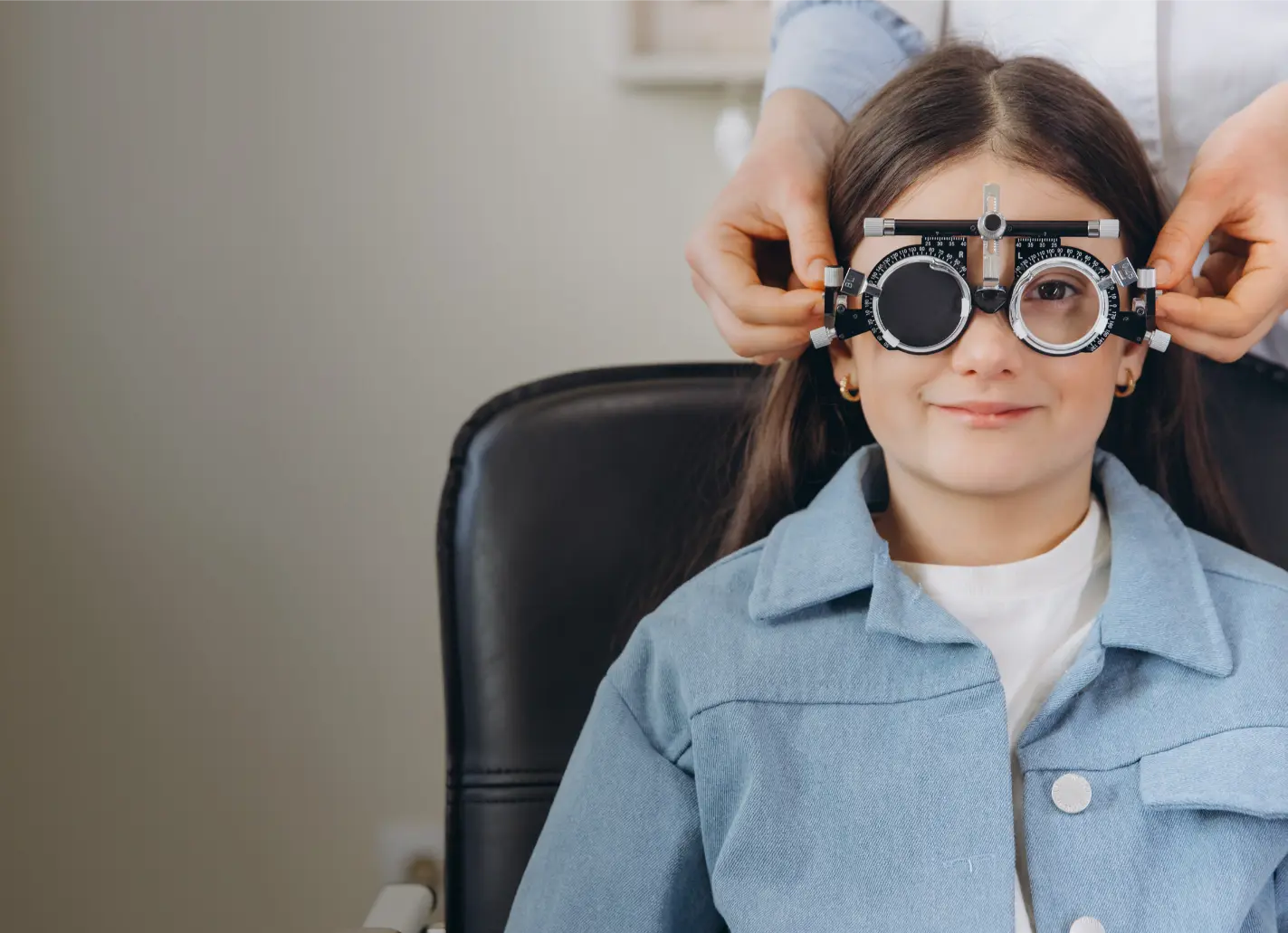
The Canadian Association of Optometrists recommends an infant’s first comprehensive eye examination between 6 and 9 months of age, or earlier if parents have concerns or there is a family history of eye disease. From the first wellness check, first doctor’s appointment, first dental appointment and more, healthy vision depends on much more than clear eyesight. Eye teaming, tracking, focusing, depth perception, visual processing and eye health all contribute to how children learn and develop.
Many parents are surprised to learn that a child’s first comprehensive eye examination should happen during infancy. Vision is an essential part of healthy development, yet awareness of early eye examinations is still growing. By helping families understand when and why these exams are important, we have the opportunity to detect concerns early and support children during a critical stage of brain and visual development.
Early detection of any vision issues are important because treatment is most effective before age eight, and doing eye exams early can be life changing.
Calgary mother Alyssa Keshavjee credits her optometrist’s diagnosis of her son’s serious vision problems with preventing life-long, life-altering health issues.
Alyssa took her second child, Noah, for his first vision check to her long-time optometrist, Dr. Farrah Sunderji, before he was six months old. The owner of Eyedealogy Optometry and an optometrist with 20 years of experience, Dr. Sunderji says she tells all her patients to book an eye exam for their children early.
“Checking eye health at an early age is critical,” she explains. “Many parents are surprised to learn that a child’s first comprehensive eye examination should take place during the first year of life. As awareness continues to grow, we’re able to identify concerns earlier, support healthy visual development and give children the best opportunity to reach their full potential.” – Dr. Farrah Sunderji, OD, Founder of Eyedeology, Residency Trained in Pediatrics and Vision Therapy
“Vision is much more than seeing clearly. Although eyesight is present at birth, vision develops over time as the eyes and brain learn to work together. This system helps children move, learn, read, balance, play and interact with the world. When visual development isn’t progressing as expected, it can affect far more than eyesight.”
While examining Noah, Dr. Sunderji realized he couldn’t move his eyes to the side. Alyssa had also been somewhat concerned about Noah’s eyes which sometimes crossed and were poorly focused. Dr. Sunderji diagnosed him with Duane Syndrome, a congenital, non-progressive eye movement disorder caused by misfiring eye muscles and the nerves which control them.
Dr. Sunderji immediately referred Alyssa and Noah to a specialist and discussed prescribing glasses right away with the other physician, as specialist waits can be long. The specialist agreed with Dr. Sunderji and she fitted Noah with his first set of glasses.
“Through Farrah’s care, Noah started wearing eyeglasses right away. We picked out a colour of glasses for him. His older sister was there and put them on him. He just looked in awe at us. Noah had never really been able to see us before and he just stared into our eyes which, for a mother, was wonderful. This is one of my best memories.”– Alyssa Keshavjee, Eyedeology Optometry Patient
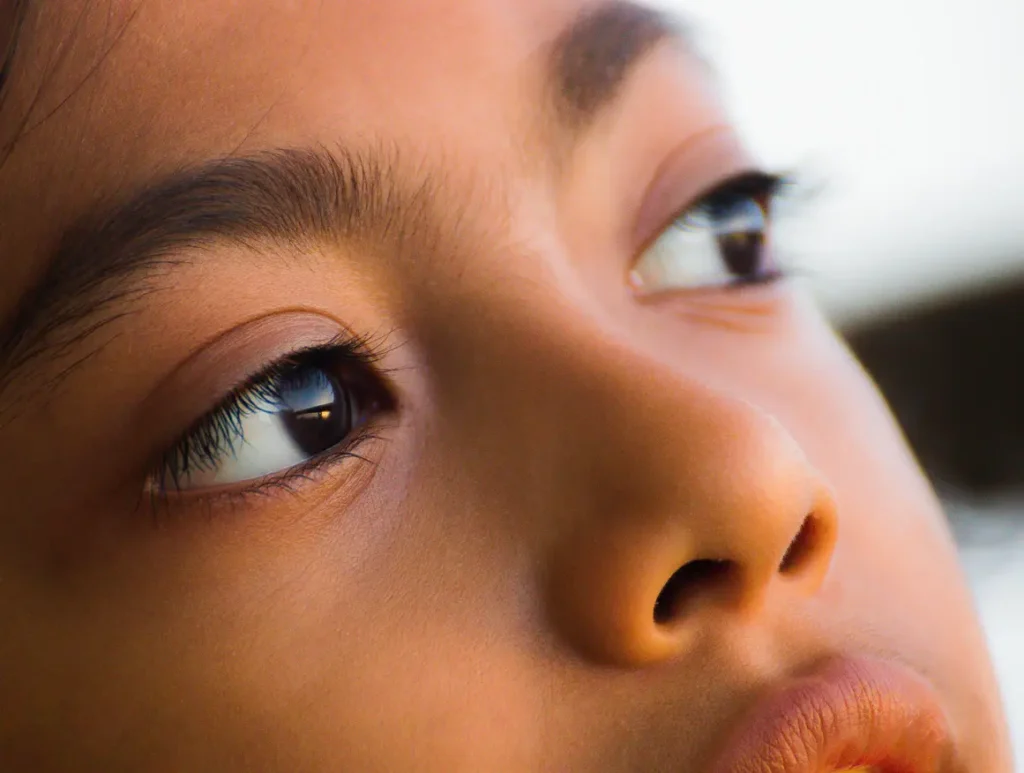
Vision conditions may lead to other health issues
Now that he could see, Noah began interacting more with his family, smiling, reaching for objects and catching up on the milestones he missed. Because vision plays such an important role in early brain development, Noah’s visual condition affected how he interacted with his environment and achieved developmental milestones.
Because vision plays such an important role in early brain development, Noah’s visual condition affected how he interacted with his environment and achieved developmental milestones. Vision problems can also include structural abnormalities or diseases behind the eyes, which can significantly impact facial development. Children with Duane’s Syndrome have to turn their heads constantly to be able to see, which can change how their faces and jaws develop. In Noah’s case, he was later diagnosed with and treated for a jaw condition and airway issues.
“It would really have impacted his development and his life if Farrah hadn’t caught the Duane’s Syndrome,” says Alyssa. “It could have been life altering. He also might have lost eye function if it hadn’t been treated.”
Dr. Sunderji’s intervention gave Alyssa and her family a more complete understanding of Noah’s development and allowed them to take a more integrated approach to his care. They were able to explore and support his growth and development beyond just his eyesight.
By treating him at a young age, Noah no longer needs to wear glasses except when he’s reading and at age six, is taking gymnastics, talking non stop and learning Spanish, adds Alyssa.
Vision, Education and Learning
Vision also plays a key role in childhood education and earning. Children often don’t report problems with vision because it’s how they have always seen the world. What happens is that teachers and parents think a child is struggling in school because they’re not focused or interested. Instead, it may be because they can’t see well enough.
Optometrists recommend the following eye exam schedule for children: infants’ first exam between six and nine months; older children at least one exam before starting school and then annually up to age 19.
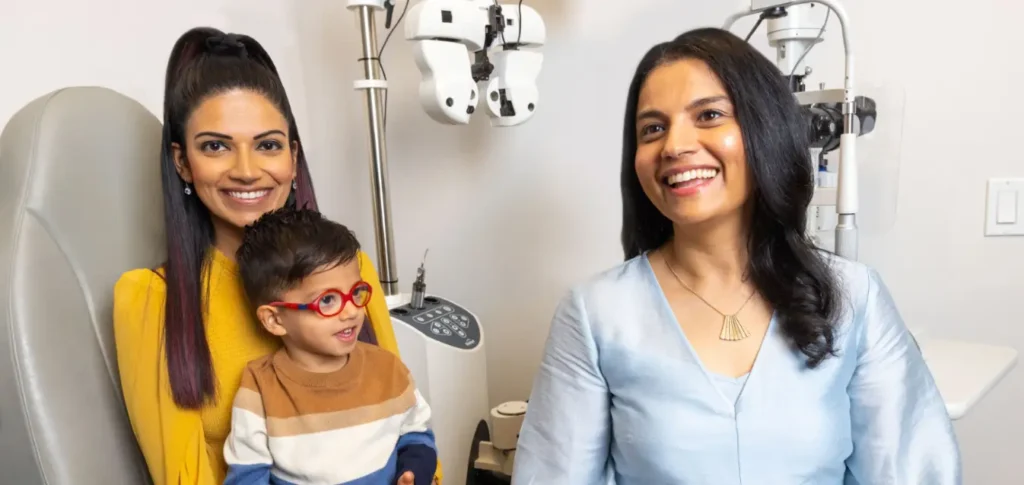
Early Eye Exam Advocate
Alyssa will always be grateful for Dr. Sunderji’s care. She now advocates for early childhood eye exams, and it’s become so important and personal for her she talks to other parents whenever she can to share her story, and has been interviewed by Global News.
Dr. Sunderji is also the past president of the Calgary Society of Optometrists (CSO). She is an active member of the Alberta College and Association of Optometrists and the Canadian Association of Optometrists. Eyedeology is a family-friendly practice providing comprehensive eye care for patients of all ages, with special interests in pediatric eye care, vision therapy, myopia management, dry eye disease and specialty contact lenses. Dr. Sunderji is passionate about eyes and is committed to helping her patients protect their vision for life.
Parents have an incredible opportunity to support their child’s visual development during the years when the brain is growing most rapidly. A comprehensive eye examination during infancy can identify concerns early, allowing children to receive the support they need to learn, grow and reach their full potential.
The Alberta Association of Optometrists is Alberta’s leading optometric professional organization, representing more than 900 Doctors of Optometry in over 120 communities across the province. AAO members are highly trained, regulated health professionals providing primary eye health and vision care to Albertans. For more information, please visit www. optometrists.ab.ca.
Frequently Asked Questions
When should a child have their first eye exam?
The Canadian Association of Optometrists recommends a child’s first comprehensive eye examination between 6 and 9 months of age, with follow-up exams before starting school and regularly throughout childhood, or earlier if parents have concerns or there is a family history of eye disease.
What is Duane Syndrome and how is it detected?
Duane Syndrome is a congenital, non-progressive eye movement disorder caused by misfiring eye muscles and the nerves that control them, which can cause an eye to cross or focus poorly. It’s typically identified through a comprehensive eye examination, and early detection allows children to be fitted with glasses or referred to a specialist promptly.
Why does vision affect more than just eyesight in children?
Healthy vision involves eye teaming, tracking, focusing, depth perception and visual processing, not just clear eyesight. Because these skills are still developing in early childhood, undetected vision problems can affect learning, behaviour and overall development, which is why early comprehensive exams are so important.
Editorial guidance for Family Psychology Magazine’s health and wellness coverage is provided by our Advisory Board of licensed mental health and wellness professionals.