


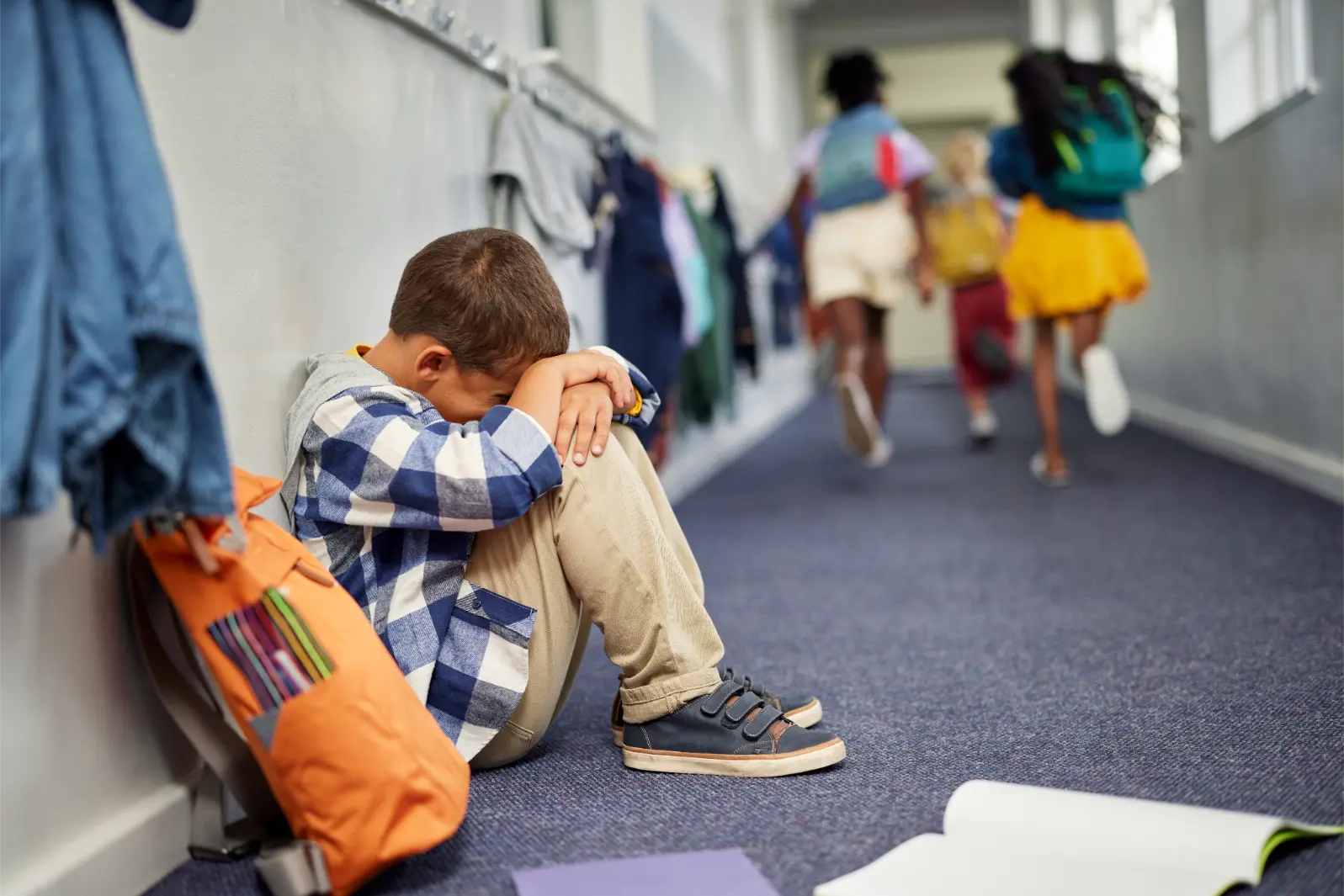
For many families, the end of summer brings excitement. New backpacks, fresh school supplies, and the anticipation of a new year can be energizing. Yet for many children, the return to school is accompanied by something less visible: anxiety.
Back-to-school anxiety is more common than many parents realize. While some children openly express their worries, others may not have the words to explain what they are feeling. Instead, anxiety often appears through behavior.
A child may complain of stomachaches or headaches that seem to disappear on weekends. They may become more irritable, clingy, emotional, or withdrawn. Sleep can become difficult, appetite may change, and small frustrations may suddenly feel overwhelming. These reactions are not usually attempts to avoid school. More often, they reflect a nervous system that is struggling with uncertainty.
What’s Behind the Anxiety
From a child’s perspective, returning to school can feel like stepping into the unknown. They may wonder whether their teacher will like them, whether they will make friends, whether the work will be too difficult, or whether they will fit in. Older children may worry about academic expectations, social pressures, or being judged by their peers. Even children who enjoyed school the previous year can experience anxiety when routines change.
One of the biggest mistakes adults make is trying to eliminate anxiety altogether. In reality, anxiety is a normal emotion. It exists to prepare us for situations that feel unfamiliar or important. The goal is not to convince children that there is nothing to worry about. The goal is to help them discover that they are capable of managing those worries.
How Parents Can Help
Parents can begin by listening before reassuring. Instead of saying, “You’ll be fine,” try asking, “What are you most worried about?” Children often feel calmer when they know their feelings are understood rather than dismissed. Sometimes simply naming the fear helps reduce its intensity.
Preparation also builds confidence. A visit to the school before classes begin, practicing the morning routine, meeting the teacher if possible, or talking through what the first day might look like can make the unfamiliar feel more predictable. Predictability reduces anxiety because children know what to expect.
Parents should also pay attention to their own reactions. Children naturally look to adults to judge whether a situation is safe. When parents remain calm, confident, and encouraging, children are more likely to interpret the transition as manageable. This does not mean pretending everything is perfect. It means communicating, “I know this feels hard, and I also know you can handle it.”
Building Confidence Over Time
Finally, remember that confidence is not something we give children through praise alone. Confidence grows through experience. Each time a child faces a difficult situation, tolerates the discomfort, and discovers they can cope, they build resilience for the future.
The first few weeks of school can be challenging, but they also offer valuable opportunities for growth. With patience, understanding, and steady support, parents can help children move beyond fear and into confidence. Often, what children need most is not for us to remove every obstacle, but to remind them that they do not have to face those obstacles alone.