


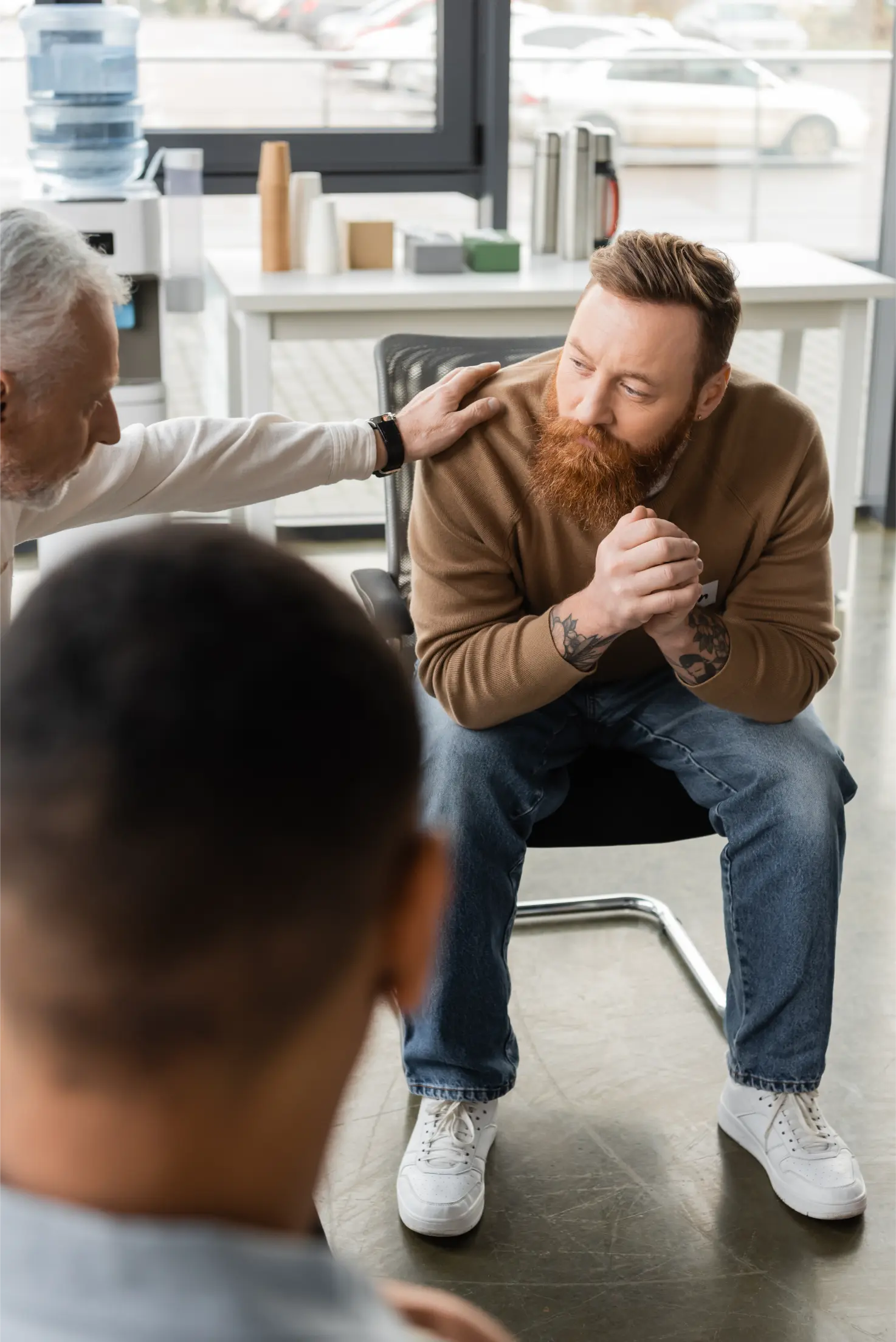
When most people picture depression or anxiety, they think of getting sad, withdrawn, or teary. These are common expressions of distress, but they don’t capture the full picture – especially in men. A growing body of research suggests that depression in men often presents with a different pattern of symptoms. In men, these symptoms are frequently misunderstood, under-recognized, and as a result, undertreated.
A Different Kind of Distress Signal
Rather than internalizing distress through sadness or withdrawal, many men externalize it. Emotional pain may show up as irritability, anger, or hostility. A man who is struggling may not say he feels depressed but instead becomes easily frustrated, reacts strongly to minor inconveniences, or has frequent interpersonal conflict.
What is often interpreted as “temper” can often reflect underlying psychological distress, and other behaviour patterns are equally important. Some men cope through avoidance, immersing themselves excessively in work, sports, or hobbies. While this may appear productive or even admirable, it can function as a way to avoid emotional discomfort. Risk-taking behaviors, such as reckless driving, gambling, or impulsive decision-making, may also serve as attempts to regulate internal tension or escape distress.
Physical symptoms are another common pathway. Men are more likely to report headaches, gastrointestinal problems, or chronic pain, rather than emotional difficulties. This can lead to repeated medical consultations, without addressing the underlying psychological factors contributing to these symptoms.
Substance use is also a key indicator. Men are more likely to use alcohol or drugs as a way to manage emotional discomfort. Although this may provide short-term relief, it often worsens mood, reduces coping capacity, and increases overall risk.
Men Hold the Weight of Role and Identity at Home
In addition to symptom presentation, broader social and economic factors significantly influence men’s mental health.Many men continue to derive a strong sense of identity from their role as providers. When financial instability occurs, it can directly impact self-worth and increase vulnerability to depression and suicidal thinking.
At the same time, there has been a notable reduction in social connection. Today, men report having fewer close friendships and limited opportunities for emotional expression within their social networks. Unlike women, who often maintain broader and more emotionally supportive relationships, men are more likely to rely on a partner as their primary source of emotional support.
This becomes particularly significant during relationship breakdown. Separation or divorce can lead to increased isolation,disruption of routine, and reduced contact with children. These changes can have a substantial impact on emotional well-being and contribute to increased risk.
Why Men Do Not Access Support Early
Despite these challenges, men are less likely to seek help and often delay accessing support until symptoms become severe.Several factors contribute to this pattern. First, traditional mental health frameworks tend to focus on internal experiences such as sadness or anxiety. As a result, externalizing behaviours like irritability, risk-taking, or substance use may not be recognized as indicators of mental health concerns.
Cultural expectations also play a role. Many men, socialized to prioritize self-reliance and emotional control, find it more difficult to acknowledge distress or seek assistance. This can lead to minimization of symptoms or attempts to manage difficulties independently.
Additionally, there can be a mismatch between how services are delivered and how men present. If the language and approach do not align with their experience, engagement is less likely. This contributes to delayed help-seeking, often until a crisis point is reached.
Moving Forward
Improving outcomes requires a shift in how distress is recognized and addressed. Emotional difficulties do not always present as sadness. Irritability, overwork, physical complaints, and risk-taking behaviours may all indicate underlying psychological strain.
Increasing awareness, broadening assessment approaches, and reducing stigma are essential. Support systems need to be accessible, practical, and aligned with how men experience and express distress.
A more accurate understanding allows for earlier identification and more effective intervention. When these patterns are recognized, it becomes possible to provide support before difficulties escalate, improving both individual well-being and broader social outcomes.