


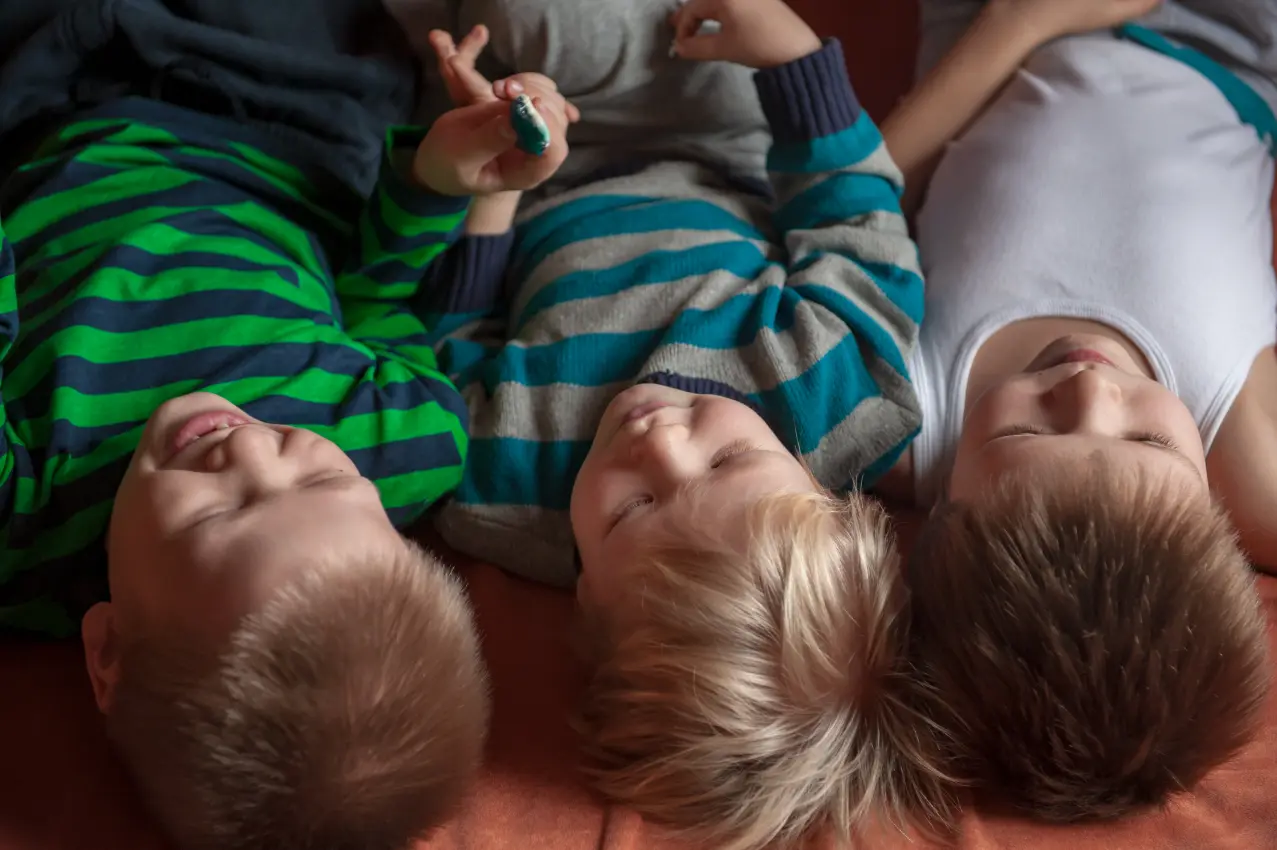
As both a psychologist and the parent of three boys (now young adults), I witnessed firsthand the incredible, and sometimes turbulent, journey that boys take as they grow and discover themselves. Today, I’m using my voice to reflect on the critical importance of acknowledging and validating emotions in our sons. Too often, boys are raised with the subtle—or not so subtle—message that feeling deeply is a weakness, or that “toughing it out” is the mark of true manhood. But the reality is, raising emotionally aware children leads not only to stronger adults, but also to a healthier, more compassionate society.
Our sons, like all children, are born with the capacity to experience the gamut of emotions. Yet somewhere along the way, many boys learn that not all emotions are okay for them to express or talk about. Now is an ideal time to look at challenging these outdated notions and create environments where boys are encouraged to express, rather than repress, what they feel.
Naming and Validating Emotions
A good place to begin is with naming the emotions we feel and acknowledging that all the emotions we experience are valid. Don’t rush to fix or minimize the emotional experience; instead, allow them to sit in the moment (even when it’s uncomfortable), normalize their feelings, and remind them that it’s okay to not be okay. These conversations don’t always come easily, but they are essential.
Modeling Vulnerability as Parents
Another helpful way is when parents (yes, this includes fathers) model vulnerability. This means apologizing when you are in the wrong, asking for help when you are feeling overwhelmed, or crying when you are sad. When we do this, when we show our sons we too feel emotions like anger, jealousy, or frustration, we show them that emotions are not obstacles. Emotions are not something to be ignored. Emotions are, in fact, a part of living a full and meaningful life.
Building Environments That Support Emotional Growth
We can also advocate for spaces that nurture emotional development in boys: schools with robust mental health supports, sports teams that value empathy as much as achievement, and media that celebrates the full range of male experience. These efforts are not just about raising better boys—they’re about building a kinder, more inclusive society for everyone.
Why Emotional Literacy Matters
Research tells us that emotional literacy is foundational for lifelong mental health. Children who can identify, articulate, and manage their emotions are more resilient in the face of adversity. For boys, who may be at greater risk for bottling up stress, these skills are even more necessary. Encouraging boys to share their feelings doesn’t make them less masculine; it makes them more human. And, in fact, it can help prevent the isolation and shame that so often underlie issues like anxiety, depression, and even suicide among men.
So, as we shine a light on men’s mental health, let us all commit to raising boys who feel, who connect, who care. The courage to feel is, perhaps, the greatest strength of all.