



Every parent wants their child to grow up feeling safe, confident, and loved. Yet for many 2SLGBTQIA+ young people, those basic needs can feel uncertain in a world where misinformation, bullying, and hostility can spread with a single tap or swipe.
Today’s young people are growing up in a digital world unlike any generation before them. Many parents remember when the family computer sat in the kitchen or living room and the biggest online challenge was a game of Minesweeper. Today, young people carry an entire digital world in their pockets—one that offers incredible opportunities for connection and learning, but also exposes them to risks previous generations never experienced.
Technology has become one of humanity’s greatest tools and, at times, one of its greatest challenges. It offers connection, community, education, and opportunities for self-discovery. But it can also expose young people to cyberbullying, unrealistic expectations, misinformation, and harmful narratives that leave them questioning their worth and their place in the world.
For 2SLGBTQIA+ youth, those digital experiences can be particularly profound. While online spaces often provide opportunities to find community and support, they can also become places where hate, discrimination, and misinformation spread rapidly.
That’s why one of the most important protective factors in a young person’s life isn’t found in an app or on a social media platform. It’s found at home, school, and communities where they feel safe, welcome, and affirmed for who they are. Research consistently demonstrates that when 2SLGBTQIA+ youth experience acceptance from parents, caregivers, teachers, and other trusted adults, they are less likely to experience depression, anxiety, homelessness, and suicide, and more likely to thrive academically, socially, and emotionally.
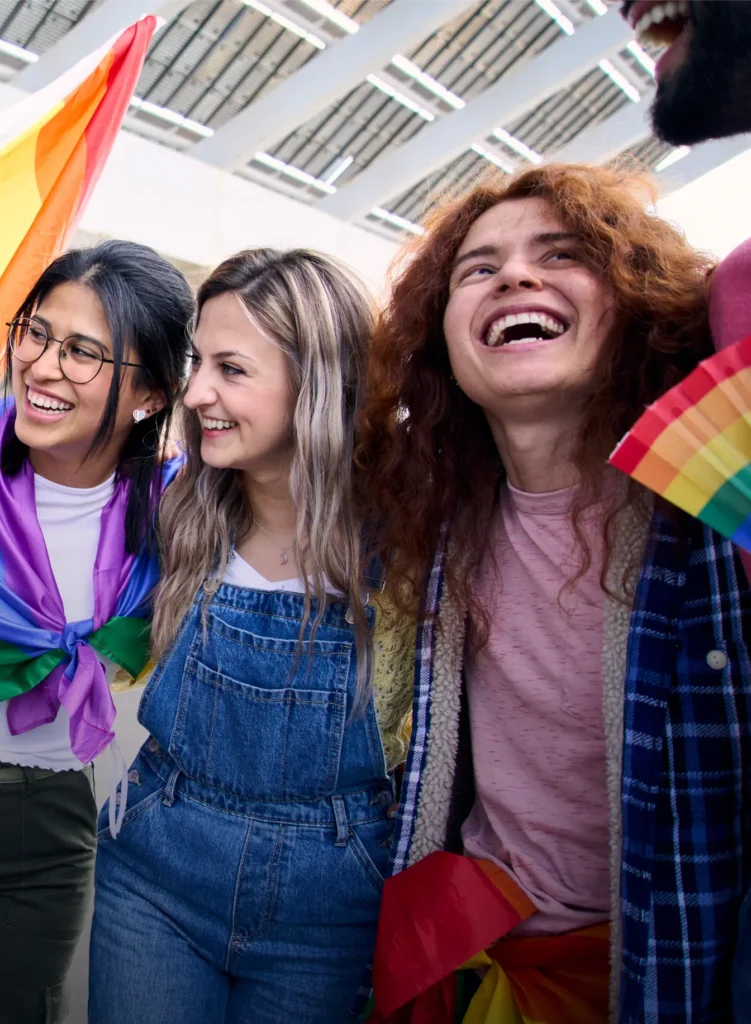
Belonging is more than simply being accepted. It is the experience of knowing that you are seen, respected, and valued exactly as you are. For many young people, that sense of belonging can become the foundation upon which confidence, resilience, and wellbeing are built.
Creating a sense of belonging doesn’t require having every answer.
It begins with love, acceptance, and a willingness to listen. When a young person shares something deeply personal about who they are, they are extending an extraordinary amount of trust. Rather than responding with fear or assumptions, parents can respond with curiosity, compassion, and reassurance. Simple words such as, “thank you for telling me” or “I love you, and I’m here for you” can have a lifelong impact.
Supporting 2SLGBTQIA+ youth also means helping them navigate today’s digital landscape.
Parents don’t need to understand every app or social media trend, but they should take an active interest in the digital spaces their children occupy. Open, judgment-free conversations build trust and make it more likely that young people will seek help when something doesn’t feel right.
Conversations about cyberbullying, misinformation, privacy, healthy relationships, consent, and respectful online behaviour are just as important as conversations about physical safety. Just as we teach children when to call 9-1-1 or how to respond in an emergency, we must also equip them with the knowledge and confidence to recognize when something isn’t right online, where to seek help, and that they never have to face those situations alone.

Helping young people develop critical thinking skills is just as important. Teaching them how to recognize misinformation, question harmful narratives, verify sources, and engage respectfully online equips them to navigate an increasingly complex digital world with confidence.
It’s equally important to recognize that every young person’s journey is unique. There is no single way to be 2SLGBTQIA+ and there is no single timeline for understanding one’s identity. Creating space for exploration without judgment allows young people to develop confidence in who they are.
For families who may be learning alongside their child, it’s okay not to know everything. Parents won’t always get everything right, and that’s okay. Supporting a young person doesn’t require perfection. If you make a mistake, apologize, keep listening, and continue learning together. What matters most isn’t having all the answers—it’s making sure your child knows your love and support are unwavering.
Asking respectful questions, seeking trustworthy information, and connecting with supportive professionals or community organizations sends a powerful message:
“I may not know everything, but I will keep showing up for you.”
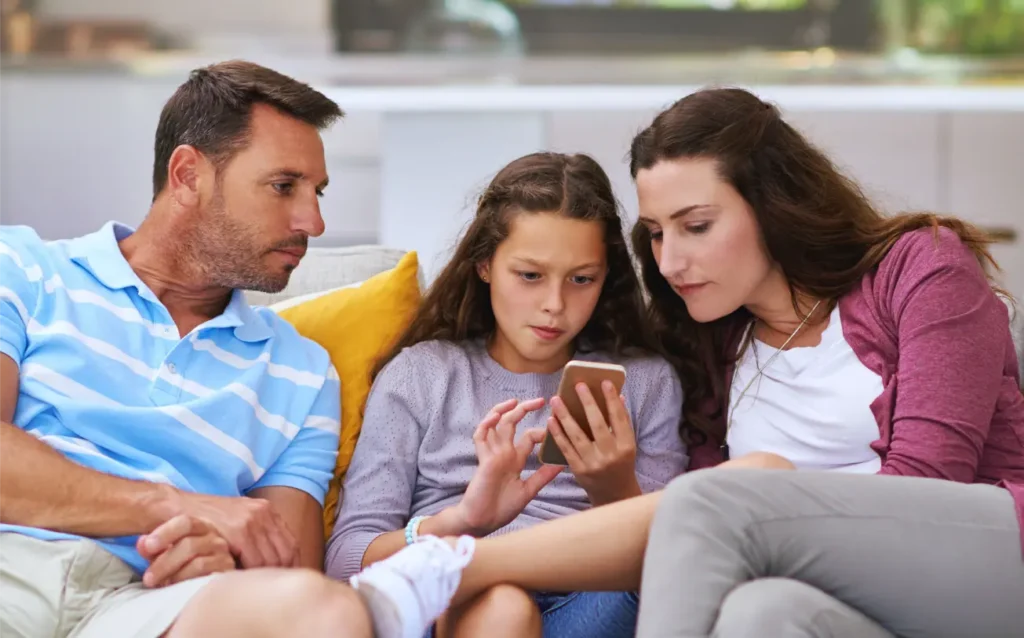
Ultimately, this conversation is about more than sexual orientation or gender identity. It is about creating homes, schools, and communities where every child knows they are valued, respected, and worthy of love—just the way they are. Every child deserves to grow up knowing they are loved, valued, and they belong.
As parents, caregivers, educators, neighbours, and community members, we each have a responsibility to help create that sense of belonging.
When young people know they are loved for exactly who they are, they don’t just survive—they thrive. And when every child has the opportunity to thrive, our families become stronger, our communities become more welcoming, and our country becomes a place where everyone truly belongs.
Anna Murphy is an award winning community advocate whose work focuses on building communities where every person feels they belong. She serves on several community boards and advisory committees and is passionate about creating safer, more inclusive neighbourhoods for children, youth, and families.
Where Families Can Find Support
Egale Canada – National education, family resources, and guides for supporting 2SLGBTQIA+ youth.
Centre for Sexuality (Calgary) – Education, counselling referrals, parent resources, and youth programming.
Skipping Stone – Alberta organization supporting transgender and gender-diverse youth, adults, and families.
Trans Lifeline – Peer support by and for transgender people.
Distress Centre Calgary – 24/7 crisis support, counselling, and community resources.
988 Suicide Crisis Helpline – Available anywhere in Canada by phone or text, 24 hours a day.